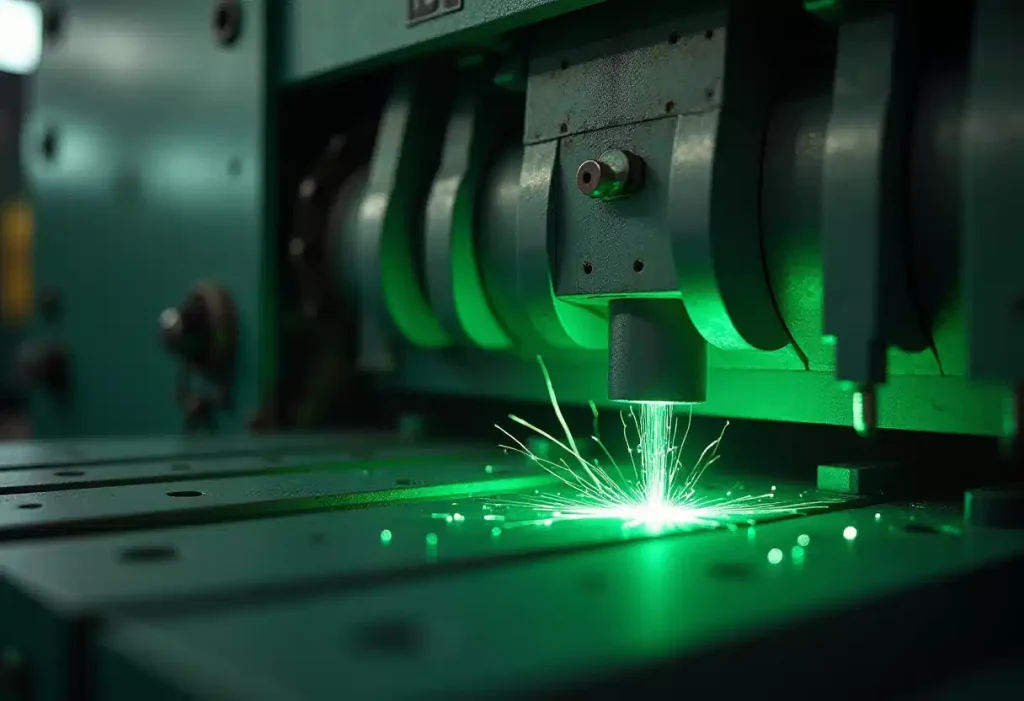
Aircraft design depends on smart material choices. While carbon fiber and composites are used in certain parts of an aircraft, aluminum still plays a key role in many components. Known for its strength-to-weight ratio, resistance to corrosion, and ease of machining, aluminum works well in areas where precision and reliability are required.
Aerospace engineers shape aluminum through machining, stamping, and welding. These methods help build aircraft parts that are strong and lightweight. This article explains how aluminum supports aircraft design, using examples from the Lockheed Martin F‑22 Raptor and the Airbus A380.
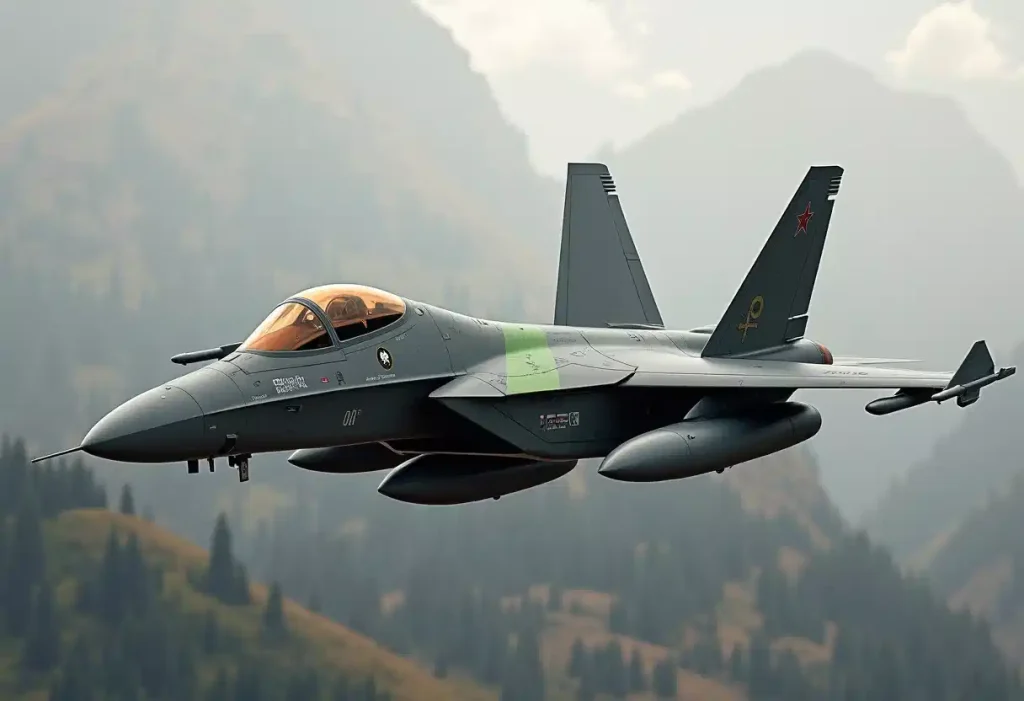
Case Study 1: Lockheed Martin F-22 Raptor – Aluminum in the Airframe and Structural Components
The F‑22 Raptor is one of the world’s most advanced fighter jets. Its structure is composed of approximately 36–39% titanium, 16% aluminum, and 24% composites, with a small fraction (~1%) of thermoplastic composites. The remaining weight (~19–23%) consists of steel, coatings, systems, and other materials. This engineered blend of materials optimizes strength, weight, stealth, and durability.
Where Aluminum Fits In
Roughly 16% of the F‑22’s airframe contains aluminum (ibid). These parts appear in areas that don’t require radar absorption or high heat resistance. Aircraft builders use high-strength alloys like 7075 and shape them through machining, stamping, or welding.
The aluminum parts form part of the internal structure. These components handle structural loads while keeping weight down, which is a critical factor in a high-speed, maneuverable jet.
Helping Performance Without Extra Weight
Aluminum helps reduce the aircraft’s weight, which improves acceleration, agility, and fuel use. With less mass, the F‑22 can carry a larger payload or extend its range.
Machining aluminum also costs less and takes less time than working with titanium. In sections where extreme conditions are not a concern, aluminum is a practical option.
Working Around Its Limits
Aluminum isn’t suitable for every part of the F‑22. It doesn’t tolerate high temperatures as well as titanium and doesn’t provide the stealth characteristics of advanced composites. Lockheed Martin used aluminum where its properties matched the job and selected other materials elsewhere in the aircraft.
Case Study 2: Airbus A380 – Aluminum in Fuselage, Wing Structure, and Landing Gear
Now let’s take a look at the Airbus A380. This aircraft is the largest passenger jet in operation and is designed to carry hundreds of people over long distances. Building a large aircraft without adding too much weight, Airbus used a combination of materials. Aluminum remains a major part of its structure.
How Aluminum Shapes the Structure
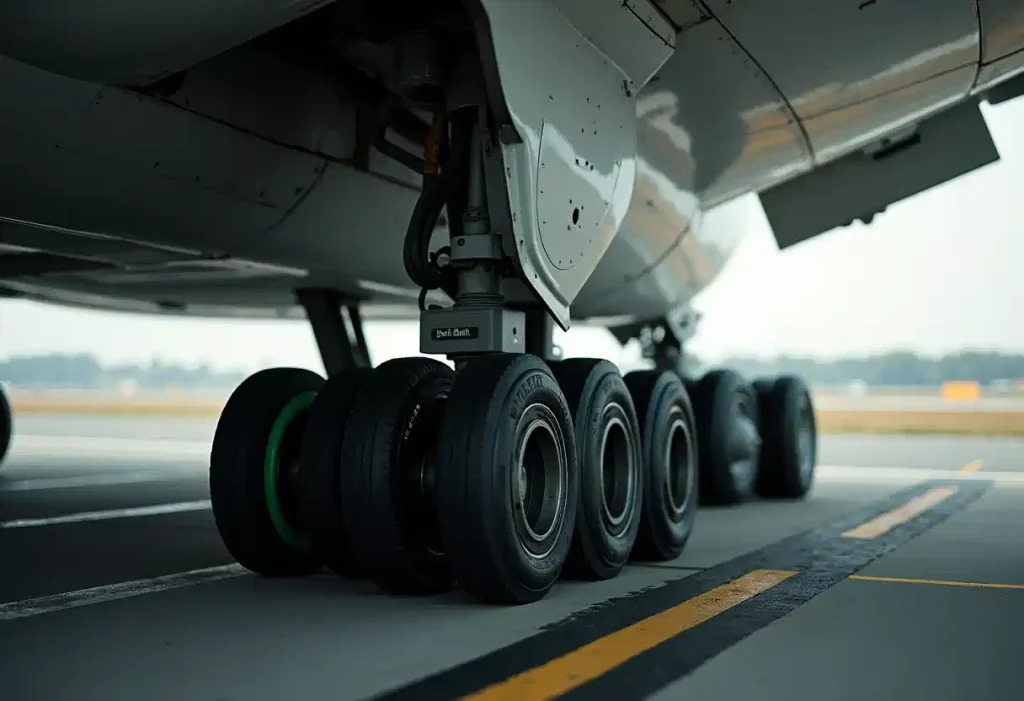
Airbus chose aluminum alloys like 2024 and 7075 for the fuselage frames, wing spars, and landing gear. These components are shaped using machining, stamping, and extrusion techniques.
In the fuselage and wing areas, aluminum supports the aircraft’s weight while keeping the outer shape smooth for better airflow. For the landing gear, aluminum provides strength with less weight, which helps reduce load during takeoff and landing.
Keeping the A380 Strong and Light
Aluminum lowers the total weight of the aircraft, which helps reduce fuel use. Its resistance to moisture and salt helps prevent corrosion, which adds to the aircraft’s service life.
Compared to more complex materials, aluminum parts are simpler to inspect and fix. This helps reduce the time the aircraft spends out of service.
Learning from Early Challenges
When Airbus launched the A380 program, engineers discovered cracks in some of the wing brackets made from aluminum. The team responded by improving the part design and using stronger alloys.
To address the wing bracket cracks, Airbus replaced the original 7449 aluminum alloy with 7010, which offered better resistance to stress and fatigue. This showed that aluminum remains useful, but it still requires careful engineering in large aircraft.
Conclusion
Aluminum continues to be useful in aerospace manufacturing. It provides a workable balance between weight, strength, and production cost. Although advanced composites have taken over some areas, aluminum holds its ground in specific parts of the aircraft.
The F‑22 Raptor and Airbus A380 use aluminum in very different ways. The F‑22 applies it in non-critical structural sections to save weight. The A380 relies on aluminum to support large structures while maintaining flight range and passenger capacity.
Even though it doesn’t dominate every design, aluminum still adds value where it’s used. With the right processing methods, it continues to support the development of long-lasting and capable aircraft.
Visit Inductaflex for more information.