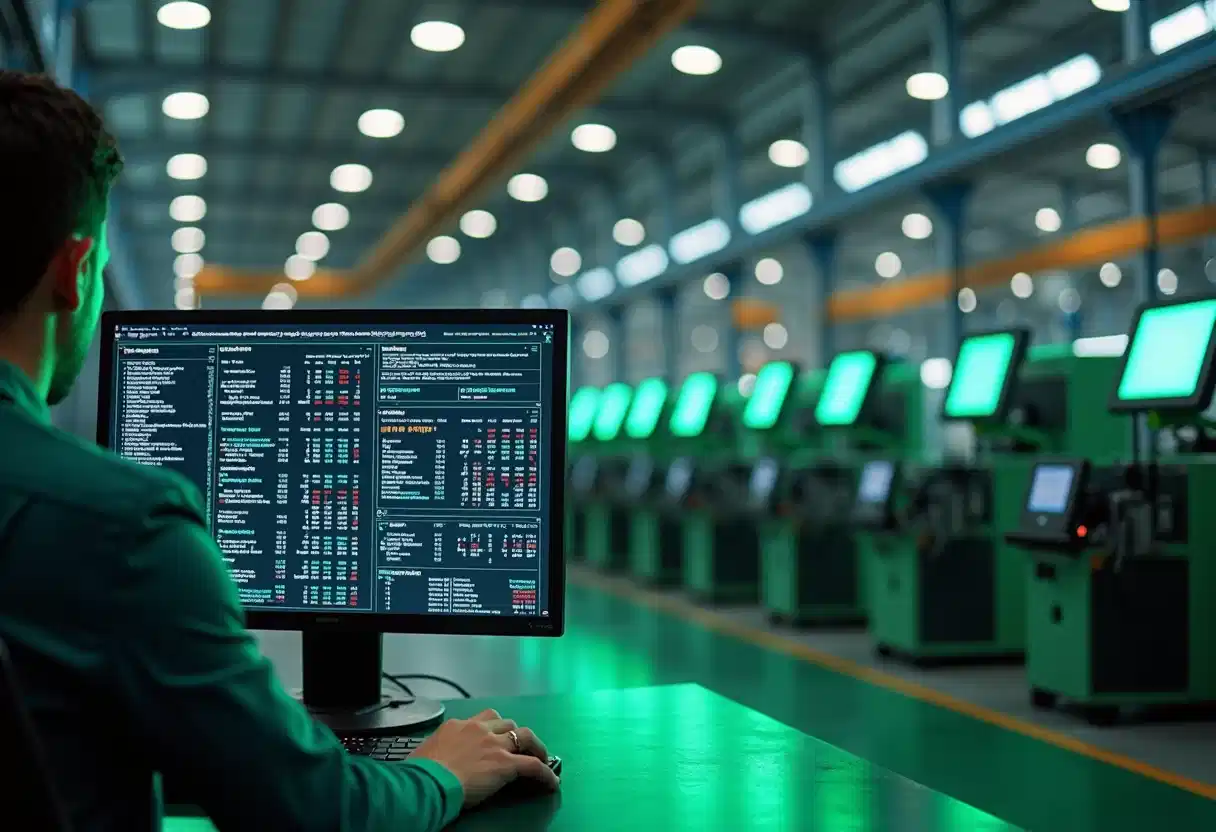
Aluminum bending is changing fast. Industry 4.0 is bringing in new tools and ways of working that let manufacturers work smarter. These updates affect how machines run, how data moves across systems, and how shop floors are managed. Companies that depend on aluminum forming and section rolling now see more accuracy, fewer errors, and more room for complex designs.
This article looks at the main parts of Industry 4.0 and how they’re showing up in bending operations today. The focus is on real shop-floor improvements: faster maintenance, more connected systems, and better control.
Digital Connectivity and Data Integration
Bending machines now connect to factory systems in new ways. These changes help teams react quickly and solve issues before they turn into bigger problems.
CNC Cloud Connectivity
Modern CNC machines use cloud platforms to send and receive information in real time. This includes performance checks, remote diagnostics, and software updates. Companies like PBT and Davi already use this setup to cut downtime and improve technical support.
Cross-Platform Integration
Machines can now link directly with ERP, MES, and QA software. Standard protocols like OPC UA and MTConnect allow smooth data sharing across production, planning, and quality teams. That makes it easier to track jobs and make faster decisions.
Remote Monitoring and Support
With network access, engineers and technicians can check machine status off-site. This setup allows quick troubleshooting and fewer delays without the need for in-person visits.
Automation and Process Optimization
Automation is making it easier to handle jobs with more precision and less manual input.
Automated Material Handling
In some high-volume shops, robots or feeders now position aluminum profiles before and after the bend. This lowers manual work and improves consistency during long or complex runs.
Smart Workflow Programming
Some CNC platforms store past programs and use pre-set templates or material libraries to help operators choose bend paths and tool setups more efficiently. SweBend and Thoman, for example, include features like this in their systems to reduce setup time and improve repeatability.
Multi-Machine Coordination
In production lines with shared control systems, machines can work in coordination as part of an integrated workflow. This setup helps reduce idle time and improves part flow through the bending process. Coordinated actions across workstations help keep everything moving without delays.
Predictive Maintenance and Diagnostics
Shops now have better tools to spot problems before they interrupt production.
Sensor-Driven Health Monitoring
Sensors track wear and performance in key machine parts like bearings, rollers, and motors. When the machine detects a change, it alerts the operator. This helps schedule service when it’s needed, rather than waiting for a breakdown.
Usage Pattern Learning
Some machines record how they’re used over time. These records help estimate service intervals and part replacements based on actual wear instead of set schedules. The result is more reliable machine performance.
Automated Error Reporting
Current systems send alerts as soon as they detect problems. Some machines generate basic maintenance logs or error reports that support troubleshooting and help schedule timely service. These features are more common in mid- to high-end systems.
Human-Machine Interface (HMI) Enhancements
Machine interfaces are now designed to be more helpful and straightforward, even for complex tasks.
Intuitive Touchscreen Dashboards
Modern dashboards display key production and maintenance information on one screen. Operators can follow guided steps to set up machines correctly without digging through complex menus.
Augmented Reality for Support and Training
Some machine builders are testing AR for visual guides and remote help. It’s still being developed, but the idea is to show operators exactly what to do by overlaying instructions on the actual machine.
Voice Controls: Still on the Horizon
Although voice commands are being explored, shop floor noise and precision needs make them hard to use effectively. Most bending machines don’t include this feature yet.
Conclusion
Industry 4.0 has already started reshaping how bending work gets done. The technology is no longer limited to large factories. Shops of all sizes are adopting these tools to improve quality, reduce downtime, and handle more complex shapes with greater control.
These upgrades aren’t just about technology, but they’re about solving everyday problems. Machines that alert you when parts wear out, software that helps with tool setup, and dashboards that show what’s happening in real time all help make work smoother. As more bending shops bring in these tools, they’re able to stay ahead of demands while keeping production steady and reliable.
Follow Inductaflex for more sources like this.