Goodbye, Steel. Hello, Aluminum Curves.
Steel once led the way in construction materials. It shaped much of the modern world with its strength and reliability. Today, however, aluminum, especially when curved, has taken over a wide range of everyday uses.
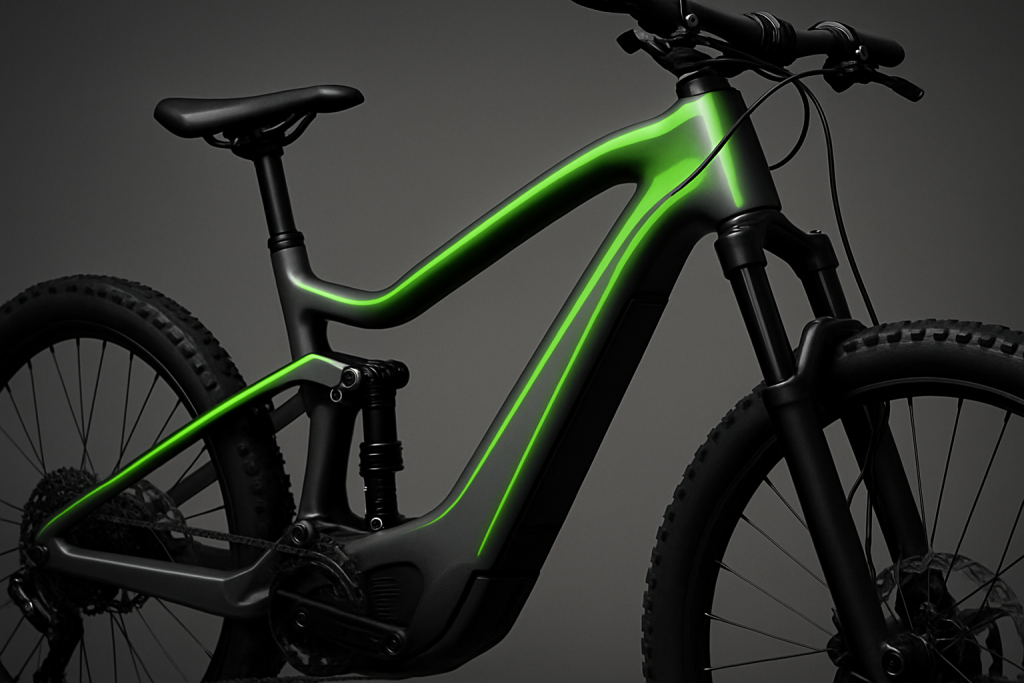
This shift reflects growing needs in manufacturing and design: lighter structures, better corrosion resistance, and easier shaping. Aluminum now plays a key role in transport interiors, public fixtures, and architectural features.
Strength Without the Bulk
The Power of Lightweight Design
Aluminum isn’t stronger than steel in absolute terms, but it delivers more strength per kilogram. Since it weighs about one-third as much as steel, it often becomes the smarter choice when reducing weight is critical.
Sectors like aerospace, transport, and construction benefit from this advantage. Reducing structural weight lowers installation time, cuts fuel consumption, and improves handling without sacrificing performance.
Rust-Proof by Nature
Built to Withstand Weather, Moisture, and Time
Steel corrodes when exposed to air and moisture unless protected. In contrast, aluminum develops a thin oxide film that resists corrosion and shields the material underneath.
This corrosion resistance makes aluminum ideal for use in locations exposed to the elements. It performs reliably in coastal zones, industrial settings, and urban spaces where steel would need ongoing protection.
Bending the Impossible With Precision
Aluminum’s Formability Is a Game-Changer
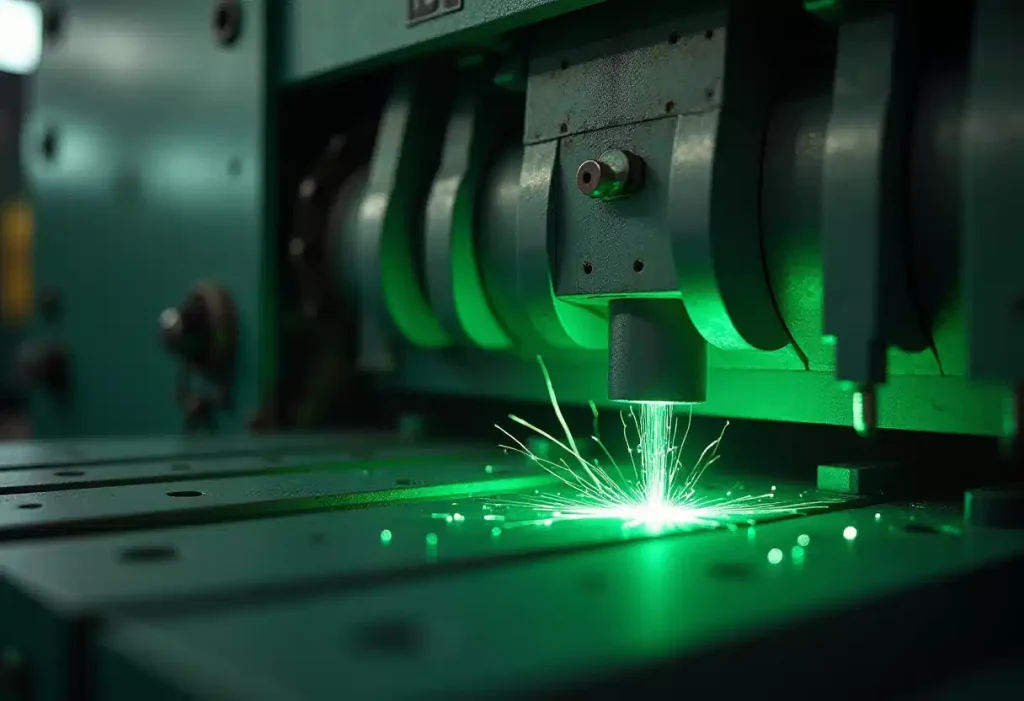
Steel is harder to bend due to its higher yield strength. Aluminum, especially in the 5xxx and 6xxx series, bends more easily and can be shaped into tighter curves.
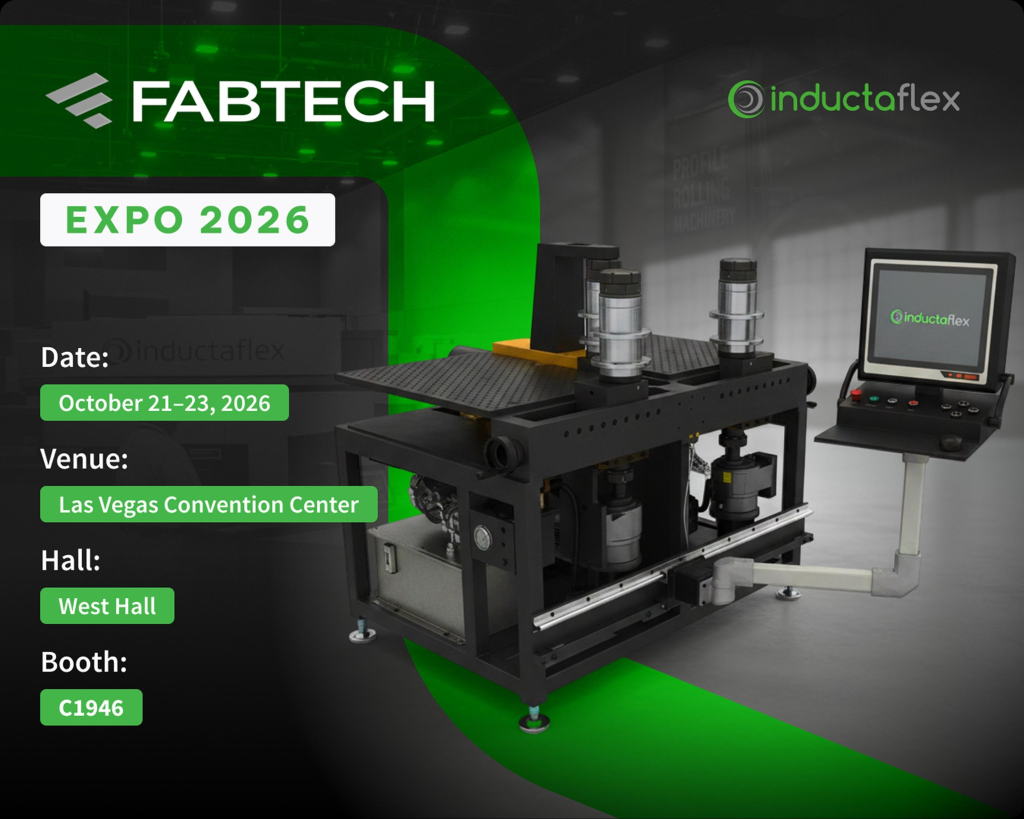
CNC and servo-driven bending machines, such as those from Inductaflex, form consistent, complex shapes across multiple planes. Designers and engineers working on cladding, transport interiors, or structural trims benefit from this shaping flexibility.
Certain aluminum alloys need preheating before bending to prevent surface cracking or internal stress.
Sustainability That’s More Than Surface Deep
Recyclable, Energy-Efficient, and Circular
Recycling aluminum requires just a fraction of the energy needed to produce it from raw ore. That makes it far less energy-intensive over its full lifecycle.
Steel recycling is also common, especially in large-scale construction and manufacturing. However, aluminum’s lower melting point and lighter weight reduce both production and transport energy needs, giving it an advantage in energy-conscious applications.
Applications You See Every Day
Where Aluminum Has Quietly Taken Over
Aluminum is now the preferred material in many low-load, long-life structures. You’ll find it used in:
- Street signage and lamp posts – lightweight and easy to install
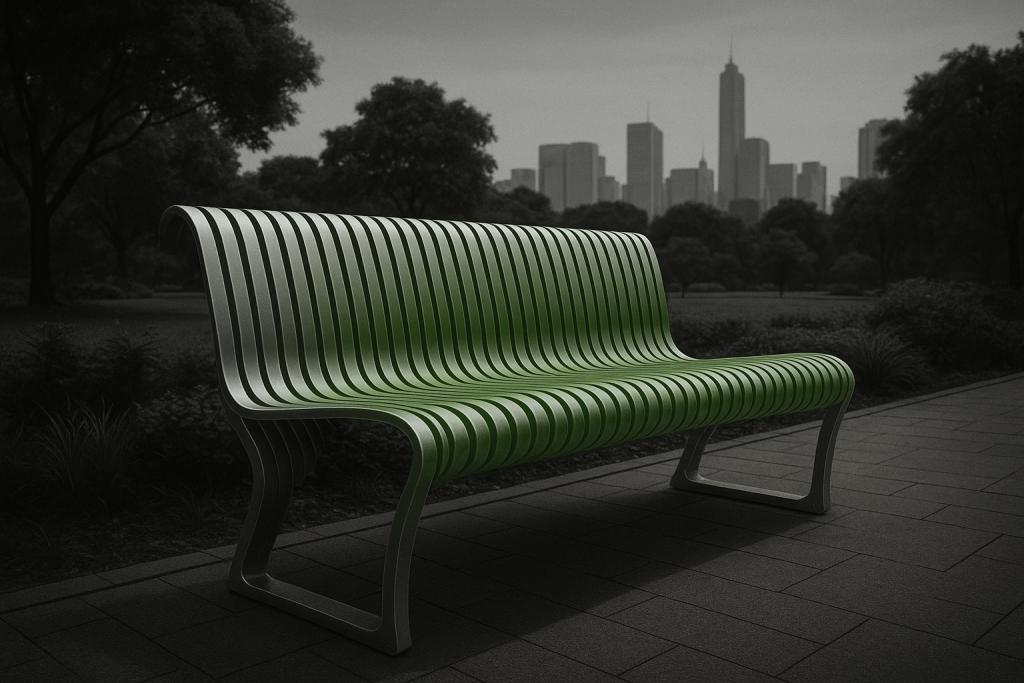
- Benches and bike racks – weather-resistant and low maintenance
- Retail and event structures – simple to transport and reassemble
- Public transport interiors – shaped parts that fit precise dimensions
- Architectural cladding – formed sections with consistent appearance
Each of these products benefits from aluminum’s ability to reduce weight, resist corrosion, and take on clean, custom shapes.
Where Steel Still Rules (For Now)
Not a Total Knockout, Just a Shift in Use
Aluminum has found its place, but steel continues to carry the load in the heaviest applications. It remains the go-to material in:
- Structural frames of high-rise buildings
- Long-span bridges and trusses
- Ship hulls and heavy marine equipment
These applications rely on steel’s higher stiffness, tensile strength, and fire resistance. Even so, aluminum often supports steel with non-load-bearing parts that reduce total structure weight.
Aluminum Bends. Expectations Break.
Aluminum is not taking steel’s place across the board but it is the better fit in many modern applications. Lighter parts, shaped components, and materials that stand up to weather without coatings all help meet today’s design and manufacturing needs.
The real shift isn’t just in what materials are used. It’s in how they are shaped and where they are applied. Builders and fabricators now choose aluminum for parts that used to require heavier, harder-to-shape metals.
Modern bending machines have made this possible. With tools built to produce precise, repeatable shapes, aluminum can meet the demands of today’s construction, transport, and design projects.
Need to shape aluminum into parts that steel can’t match? Inductaflex has the machines to get it done.