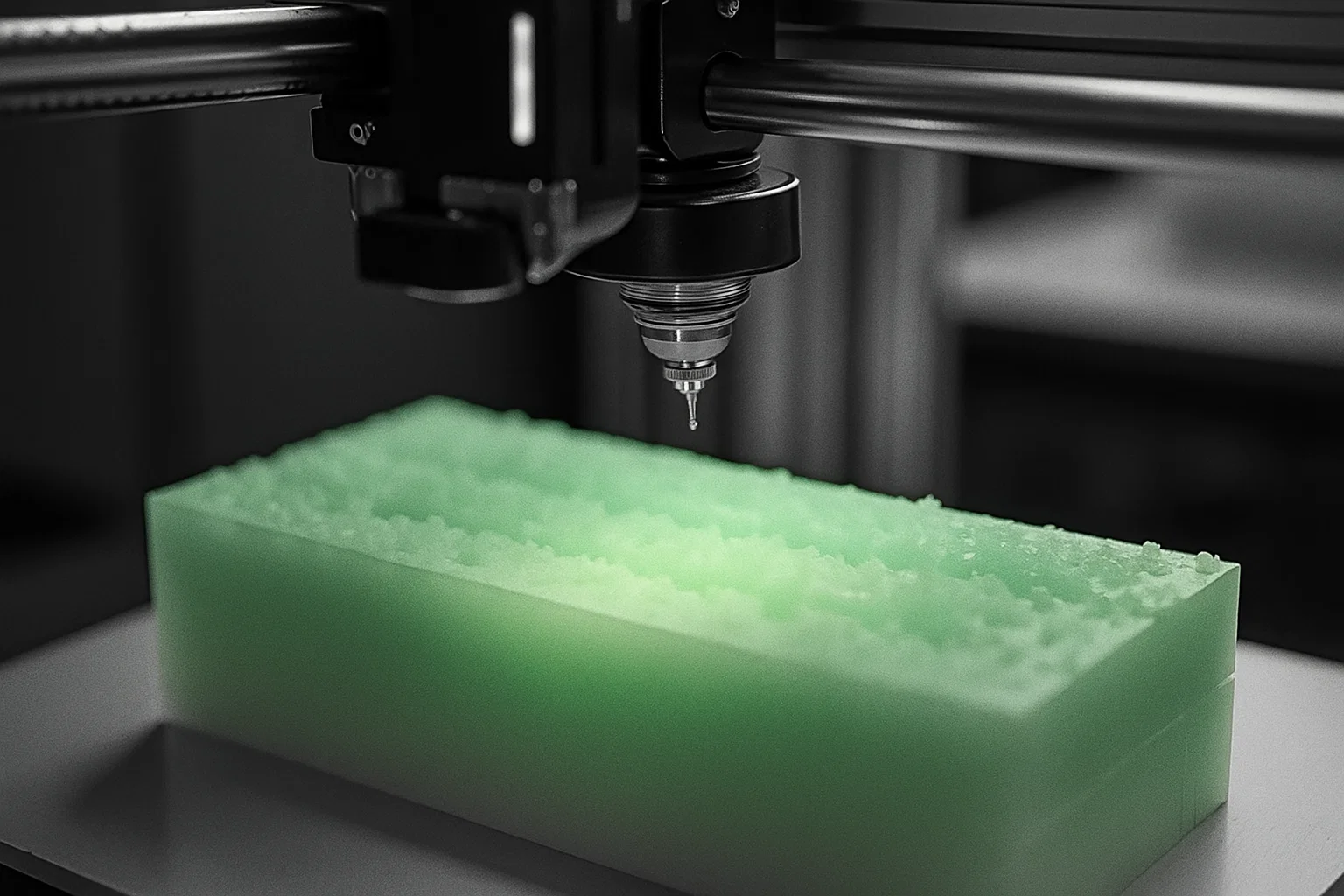
Aluminum bending often requires custom tooling. But traditional dies take time to machine and cost more, especially for short runs or experimental parts. Today, 3D printing offers an alternative. Digital designs can now be turned into physical tools much faster, helping manufacturers stay flexible and reduce wait times between design and testing.
This article looks at how 3D-printed tooling is used in aluminum bending and what to consider before putting it to work.
What is 3D-Printed Tooling?
3D-printed tooling uses additive manufacturing to build dies layer by layer. Most printed tools are made from strong polymers or fiber-reinforced composites. Some metal dies are printed using specialty method, but these are costly and slower to produce.
Metal 3D-printed dies (using methods like DMLS or SLM) are rarely used to form full-size aluminum profiles because of cost, build size limits, and lower fatigue resistance compared to tool steels. They are usually reserved for smaller parts or inserts.
Tool geometry is created directly from CAD models or from profile scans. This speeds up the process of producing dies without depending on long machining queues.
These tools are best used for light forming or prototyping. Polymer tools often wear during initial forming strokes and can deform under repeated load, and tests show they are best suited for light-duty or very low-cycle applications. Printed materials still have limits in strength, heat resistance, and wear compared to metal tooling.
Key Advantages in Aluminum Bending
3D-printed dies are useful in many scenarios where traditional tooling may be too slow or expensive.
Faster Turnaround
Many tools can be printed and ready for testing within one to three days. This allows engineering teams to start forming trials without delay.
Lower Costs for Small Runs
Machined dies are expensive to produce in small quantities. Printed tooling keeps costs low for short runs or experimental shapes.
Support for Irregular Profiles
Some aluminum shapes have curves or offsets that are difficult to match with standard tooling. Printed dies can be made to match the exact geometry of these forms.
Quick Design Updates
Tool revisions are made by updating the digital file. A new version can then be printed without needing a new machining setup.
Note:
These dies work best for lower pressure operations. For stronger profiles or structural parts, traditional tooling or reinforced inserts are often needed.
Common Applications in Industry
Printed tooling is used in different sectors where quick changes and lower forming pressures are acceptable.
Aerospace Prototyping
Test brackets and curved components are formed in early design stages using lightweight printed dies.
Architectural Fabrication
Custom panel forms and artistic bends are easier to build with printed dies, especially in limited batches.
Automotive R&D
Concept parts for frames or interior structures are trial-formed using printed tools before scaling up production.
Training and Labs
Instructors and engineers use printed tools for bending demonstrations. These tools are safer to handle and faster to produce for learning environments.
Note:
Most structural components still require traditional metal tooling. Printed tools are more common in test phases or very light-duty forming jobs.
Practical Considerations
While 3D printing speeds up the tooling process, there are some design and production limits to consider.
Material Strength
Polymers and composites can deform if too much pressure is applied. Studies indicate that printed polymer tools may deflect and lose accuracy under higher bending forces, particularly for thicker aluminum. Reinforcement or hybrid designs help mitigate this. Many teams use steel inserts in key areas to prevent wear or collapse.
Surface Finish and Friction
Printed surfaces may be rough. Post-processing like sanding or coating helps improve the tool’s finish and makes it easier to release the part.
Accuracy and Tolerances
Printed tools often need additional processing to meet tight bend radii or mounting fits. This should be planned during the design phase.
Production Limits
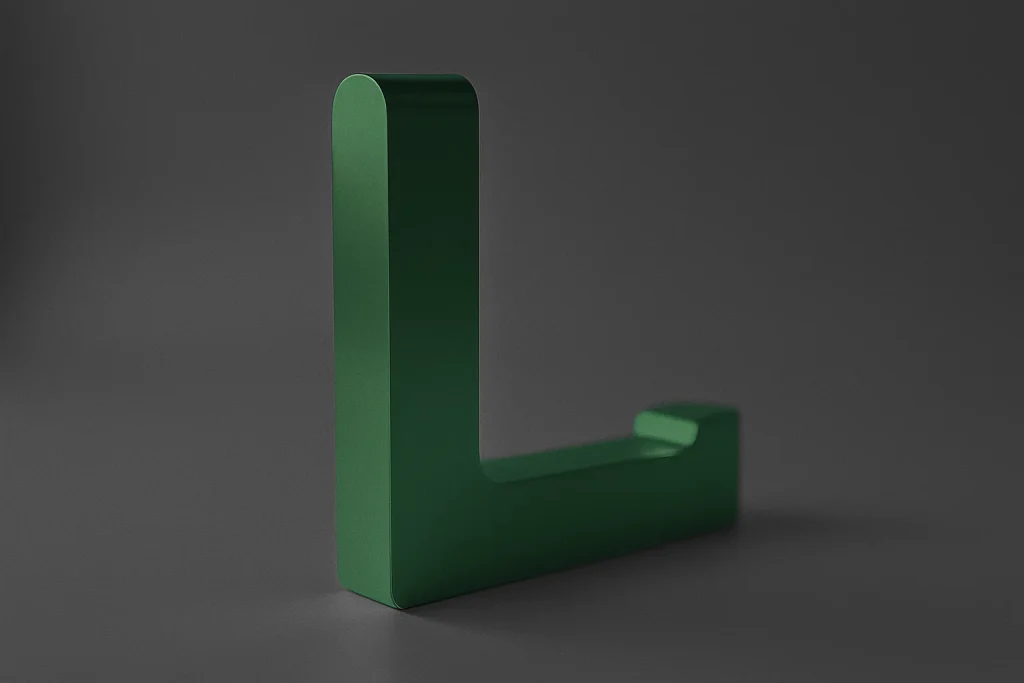
These tools are often used during trial stages or early forming work. Full-scale production still depends on metal tooling to hold up under repeated loads.
Integration with Digital Workflows
Printed dies can be made directly from the same files used to design the part. This reduces the time spent on translation between design and manufacturing.
CAD-Based Tool Creation
CAD models are loaded into printing software with little need for conversion. This supports a faster handoff from design to fabrication.
Tool Design Simulation
Before printing begins, teams often run software to check where the tool might bend or wear. This reduces errors during forming.
Digital Tool Libraries
Shops can keep a catalog of previous tool designs. These can be reused or adjusted to fit future projects.
Best Use in Short Runs
When teams face frequent profile changes or small orders, printed tooling keeps the process moving. This approach is most common in test labs or custom bending shops.
Some shops are exploring service-based bending models using printed tooling, but these are still limited to prototyping labs or specialized design-build firms.
A New Era in Custom Tooling
Printed tooling makes it easier to test new shapes and develop bending processes without delay. While it isn’t strong enough for all production needs, it performs well in prototype setups and educational use.
As materials and printers improve, we’ll likely see more printed tooling supported by hybrid designs. This includes printed bases with metal inserts or coated surfaces for better wear and heat performance.
Manufacturers handling small batches, complex profiles, or changing projects can benefit from printed tooling as a quick and cost-effective option.
Inductaflex supports flexible bending solutions designed to help you test, shape, and move toward production at your pace.