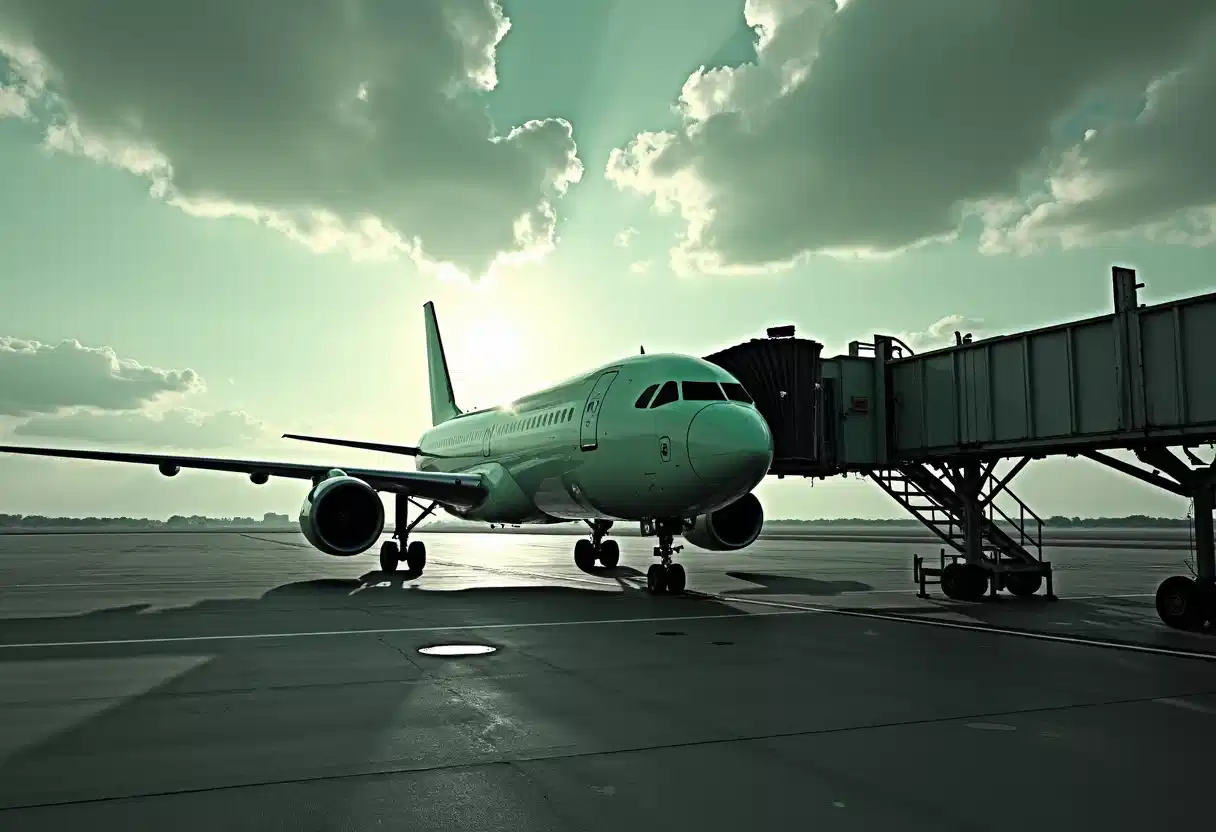
Jet bridges, also known as passenger boarding bridges, must be strong, flexible, and mobile. These telescoping, articulating structures depend heavily on bent aluminum profiles, which form structural ribs, frames, and skin supports. This combination gives them both lightweight mobility and long-lasting durability in unpredictable ramp conditions.
Why Aluminum for Jet Bridge Frames?
Aluminum is a common choice in jet bridge frames because it reduces mechanical strain and resists environmental exposure.
Lightweight
Aluminum reduces stress on rotation and extension mechanisms.
Corrosion Resistance
It resists jet fuel, rain, and de-icing agents.
Flexible Design
Its formability allows smooth movement and modular builds.
Low Maintenance
It performs reliably over time with limited surface wear.

Where Bending Happens in Jet Bridge Design
Bent aluminum is used in critical areas throughout the bridge, supporting function and movement.
Curved Structural Beams
Aluminum arches maintain the bridge enclosure as it extends.
Telescopic Sleeves
Rails and guide tracks, which is formed with precision, allow sections to move smoothly.
Floor Supports
Channels or box-sections deliver stiffness with minimal added weight.
Roof and Canopy Frames
Aluminum tubes curve along the telescoping axis and support roof panels.

Forming Techniques and Tolerances
High-precision forming techniques make sure bent aluminum components work well in moving assemblies.
Bending Methods:
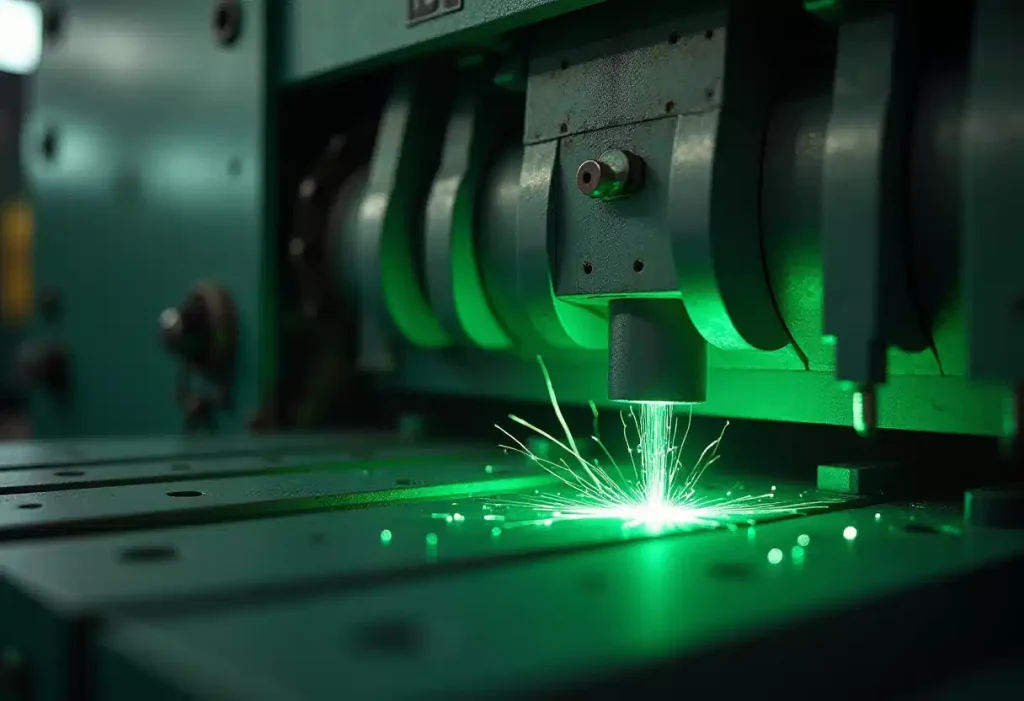
- CNC rotary-draw bending forms accurate rail curves.
- Stretch bending shapes long structural elements.
Tolerances:
- Typical tolerances range from ±0.1 mm to ±0.5 mm, depending on bend complexity and tooling.
Alloy Selection:
- Alloys such as 6005A offer excellent extrusion and bending formability, while 6061‑T6 delivers higher strength at the expense of ductility; both are weldable and suitable for structural profiles.
Surface Treatment:
- Coatings such as powder coat or anodizing protect against airport chemicals and physical wear.
Case Example: Jet Bridge Deployment at Frankfurt Airport
ThyssenKrupp Airport Systems set out to lower the weight of their passenger boarding bridges without compromising mechanical strength. To achieve this, the team substituted specific steel components with bent aluminum profiles, a change that brought a significant 30% weight reduction.
This modification improved the bridges’ movement characteristics and reduced ongoing maintenance needs. The company reports over 1,300 bridge installations worldwide; however, published documentation confirming the 30% weight reduction at Frankfurt Airport has not been made available.
Conclusion: Smart Mobility Needs Smart Materials
Reliable jet bridge movement relies on more than hydraulic systems. It comes from well-formed aluminum components that move with precision and maintain structural strength over time. High-accuracy bends and protective finishes help aluminum perform consistently in tough conditions.
As airports grow and equipment demands rise, precision-formed aluminum will support lighter and more reliable bridge systems. These components allow bridges to move and adjust with ease, helping passengers and staff connect safely between terminals and aircraft.
Contact Inductaflex for assistance.