Aluminum has become a trusted material in architectural design because of its strength, flexibility, and light weight. It’s used for decorative facades, structural parts, and everyday elements like window frames. Bending is one of the methods that allows aluminum to fit into complex architectural designs.
This article explains how aluminum bending is applied in architecture, gives design tips for creating strong and attractive structures, and shares techniques that improve both appearance and function.
Why Choose Aluminum for Architectural Bending?
Aluminum’s combination of strength, low weight, and corrosion resistance makes it a solid choice for many building projects. Here’s why architects and builders use it:
Lightweight but Strong
Aluminum weighs much less than steel, yet it still holds up well under pressure. This helps reduce the load on structures while keeping them sturdy.
Corrosion Resistance
When exposed to air, aluminum forms a natural oxide layer that protects it from rust. This is especially useful in damp or coastal areas.
Aesthetic Flexibility
Aluminum bends and shapes easily, which makes it suitable for everything from sweeping curves to detailed trim work.
Sustainability
Aluminum can be recycled many times without losing its quality. Though it requires sorting and processing, reused aluminum supports sustainable building practices.
Bending aluminum gives designers the freedom to shape curves, angles, and flowing forms. These features are often difficult to achieve with other materials, yet they allow for designs that combine appearance with strength.
Applications of Aluminum Bending in Architecture
Bent aluminum appears in many building features, serving both decorative and structural purposes. Below are some of the most common uses:
Curved Facades

Designers can move away from sharp corners and straight lines through bending. Curved aluminum panels create softer, more dynamic exteriors.
Architectural Roofing and Canopies
Bent aluminum is used in arched roofs and canopies. These parts are strong, lightweight, and hold up well outdoors.
Custom Window Frames and Doors
Curved or angled windows and doors require frames that fit well. Bending aluminum helps achieve clean, custom shapes that are easy to install.
Sculptural and Decorative Elements
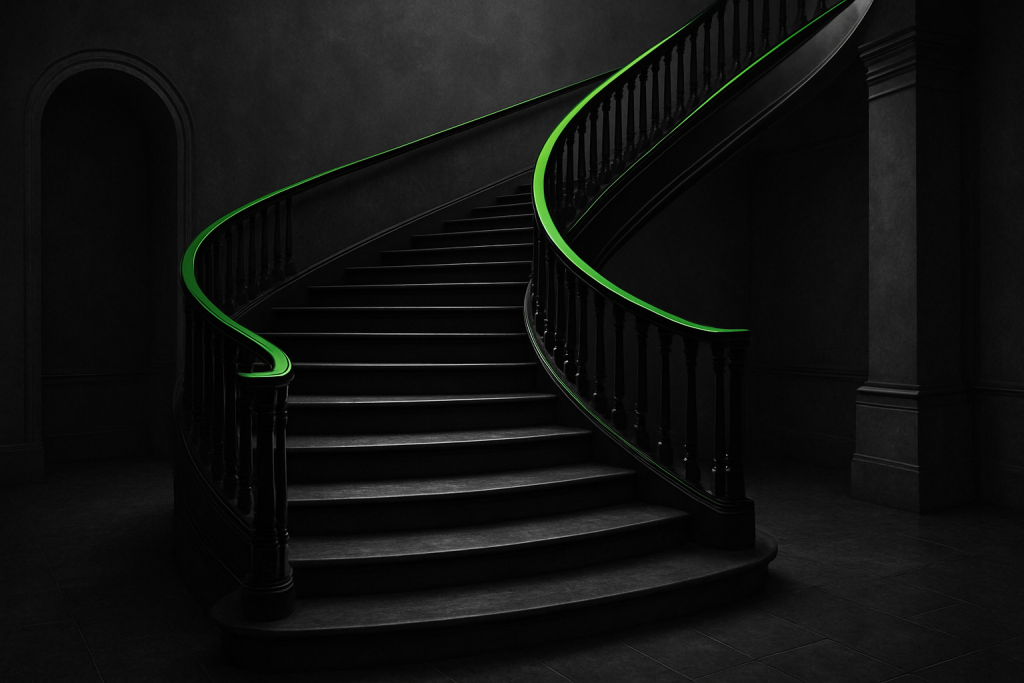
Architects often use bent aluminum for design features like wall screens, partitions, railings, or cladding. The metal can take on detailed shapes that add visual appeal.
Structural Supports and Beams
Curved beams provide wide spans and open layouts without needing extra support. Aluminum keeps its stability even when bent.
Balconies and Railings
Bending is used to form rounded balcony frames and railings. These features enhance both safety and appearance.
Shading Devices and Louvers
Aluminum bending helps shape louvers and sunshades that reduce heat and glare while adding to the building’s design.
Interior Architectural Features
Inside the building, bent aluminum appears in curved walls, ceilings, and furniture. These details create a smooth, modern look.
Design Tips and Techniques for Aluminum Bending in Architecture

Aluminum bending isn’t just about shaping metal, it also requires good planning. Here are some techniques that help designers get the most from bent aluminum:
Parametric Design for Curved Surfaces
Designers use software like Rhino and Grasshopper to create shapes using rules and measurements. This supports precise bending for complex curves.
Form Follows Function in Structural Design
When aluminum is bent for beams or frames, the curve must still support the load. Selecting the right thickness and radius helps preserve strength.
Modular Design with Repeatable Patterns
Using standard sizes and repeated forms simplifies production. Modular bent panels line up neatly and cut down on waste.
Cutting Material Waste Using Nesting Software
Nesting software arranges cuts and bends to make the most of each sheet. This helps reduce scrap and lower costs.
Using Curved Designs to Shape Natural Light
Curved aluminum can guide sunlight into a space. Careful design helps brighten interiors and reduce glare.
Blending Geometric and Organic Forms
Bent aluminum lets designers combine sharp lines with soft curves. The result is a balance between structure and flow.
Creating Texture with Tapered and Graduated Bends
Changing bend angles or curves gives surfaces more depth. These shifts create movement and visual interest.
Conclusion
Aluminum bending supports the creation of attractive and durable buildings. It helps bring bold designs to life while maintaining practical benefits like low weight and resistance to damage. With smart planning and the right tools, designers can use bent aluminum to create facades, roofs, supports, and accents that all work together. Bent aluminum adds value to modern architecture.
Inductaflex offers products for your aluminum bending needs, including the construction of architecturally sound features and infrastructures.