The Hidden Framework Behind Iconic Glass Towers
When you walk past a shiny glass skyscraper, what you see is only the surface. Behind those reflective panels is a hidden structure made of aluminum. These curtain wall frames hold the glass in place, protect the building from the elements, and help shape the appearance of modern cities.
Curtain wall systems serve a dual purpose. They support complex building designs and meet key weather and safety requirements
What Is a Curtain Wall, Really?
To understand the role of aluminum, we need to look at what curtain walls actually are.
Curtain walls are exterior frames that don’t carry the building’s weight. Instead, they attach to the structural frame and transfer forces like wind and rain back to it. These walls usually combine aluminum with glass panels.
They’re built in sections, which helps speed up construction and gives architects more flexibility during the design phase.
Why Aluminum Is the Star of the Skyline
Aluminum has become the material of choice for curtain wall systems for several reasons:
- It’s lightweight but strong, which helps with transport and installation.
- It resists corrosion, especially with powder coating or anodizing.
- It bends and shapes easily, which allows for creative design.
- It supports thermal breaks, which helps reduce heat loss.
Aluminum is easier to work with than steel, especially when lifting and installing façade systems on tall buildings.
The Frame That Shapes the View

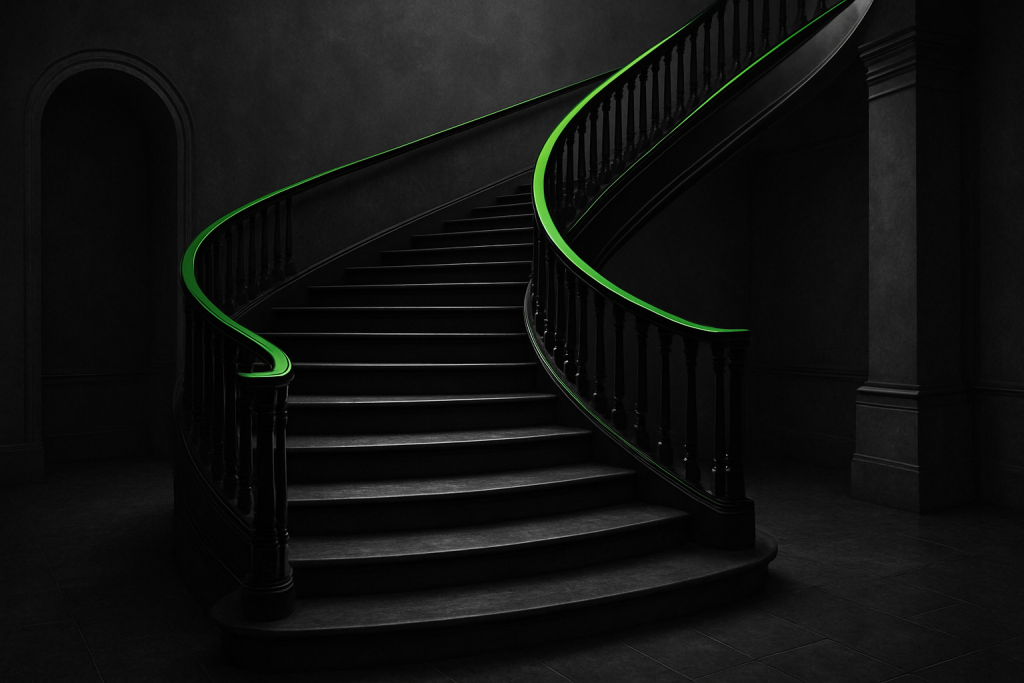
Curves and angles have become common in modern building designs. Bent aluminum profiles make it possible to bring these shapes to life.
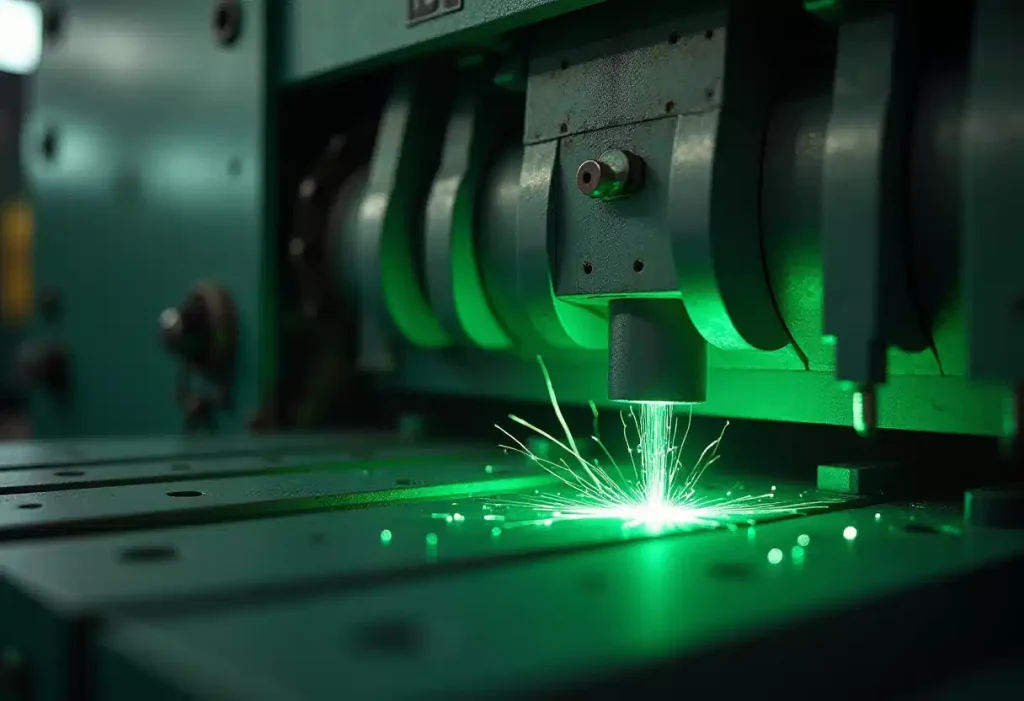
CNC bending uses rotary draw, roll, or stretch forming to produce smooth, accurate curves. These methods keep the shape of the profile consistent, which is important for proper fit and long-term durability. Architects rely on this precision to build façades with rounded edges, flowing surfaces, and unique contours.
Beyond Beauty: What Curtain Walls Actually Do
Curtain walls offer more than just good looks. They also serve several practical purposes:
- They keep out water and wind, using gaskets, seals, and drainage channels.
- They handle building movement, including wind sway or seismic activity.
- They limit heat loss, when combined with thermal breaks and insulated glass.
- They let in more daylight, which helps reduce the use of artificial lighting.
Curtain walls don’t meet fire safety requirements on their own. To comply with code, builders must install separate firestop systems between the floor slab and the wall.
From Ground to Glass: The Manufacturing Process
Curtain wall frames go through several steps before they’re installed on a building:
- Design – CAD and BIM software are used to plan shape and performance.
- Extrusion – Aluminum profiles are pushed through shaped dies to create exact dimensions.
- Bending – Curves or angles are formed using CNC bending machines.
- Assembly – Units are either pre-built in panels (unitized) or assembled piece-by-piece on site (stick-built).
- Installation – Crews lift and attach frames to the structure using cranes and lifts.
Each part of the process must meet strict tolerances and pass tests under building standards such as ASTM or CWCT.
Iconic Buildings, One Frame at a Time
Several well-known buildings show how shaped aluminum profiles are used in curtain wall construction:
- Burj Khalifa (Dubai) – uses pre-made panels designed to handle high wind pressure.
- Apple Park (Cupertino) – includes one of the largest curved glass installations ever built, supported by a mix of aluminum and steel.
- Torre Glòries (Barcelona) – features custom elliptical frames with lighting integrated into the façade.
These examples show how curved aluminum profiles make advanced building designs practical and buildable.
Sustainable Skyscrapers Start with Smart Frames
Aluminum curtain wall systems are also being used to reduce environmental impact.
They contribute in several ways:
- They work well with insulating glass and exterior shading.
- They can be made from recycled material, and the metal itself is fully recyclable.
- They help meet green building certifications such as LEED or BREEAM.
- Some modern systems are starting to use parts that can be taken apart and reused, though this is still developing.
When builders use recycled or low-carbon aluminum, it helps reduce the overall carbon footprint of the structure.
Conclusion
Aluminum curtain wall frames do more than hold glass in place. These carefully formed profiles give buildings their shape, keep the weather out, and allow more natural light inside. They’re a core part of what makes the sleek, modern look of today’s architecture possible.
As building designs get more complex and energy demands grow, the need for accurate bending and high-quality aluminum frames becomes more important. These components, often invisible to the public, are key to both the structure and the performance of the building.
Inductaflex forms the curved aluminum profiles that make today’s curtain wall designs possible frame by frame.