Bending Attention in the Right Direction
Retail and signage environments are built to attract attention. LED-lit signs, freestanding kiosks, and display counters often use curved aluminum for structure and presentation. This material provides clean lines, lightweight construction, and a polished appearance that helps brands stand out.
This article looks at the role curved aluminum plays in signage and retail displays. Its shaping properties, strength-to-weight balance, and finish options make it a practical solution for display manufacturers and designers.
Designed to Be Seen
Why Retail Loves Curved Aluminum Frames
Retail displays guide the customer’s focus and help create visual flow. Curved aluminum profiles offer smooth transitions and soft edges that support product visibility without creating distractions.
Displays also need to be safe in busy environments. Rounded aluminum edges reduce sharp points in high-traffic areas. The clean finish works well with a variety of store designs, including permanent and seasonal layouts.
Lightweight, Tough, and Totally On-Brand
The Material That Works as Hard as It Looks Good
Aluminum’s low weight makes it easy to handle, while its strength supports daily use in store environments. Fabricators can shape it into a wide range of profiles and apply different finishes, including powder coating, anodizing, or custom wraps.
The material resists corrosion and performs well under normal retail conditions. Dents may occur if struck with force, but when stored and handled properly, the structure stays intact across repeated use.
Common Applications in Signage & Displays
Where You’ll See It Most Often
Retailers and event teams use curved aluminum in many types of fixtures. Typical applications include:
- LED sign frames with shaped contours
- Hanging signage rings and banner structures
- Display counters with curved features
- Custom shelving units with sculpted frames
- Graphic panels with rounded bezels
These parts are commonly formed using CNC bending machines, which provide consistent results and clean lines across production batches.
From Concept to Curve: The Manufacturing Behind the Display
Bending That Brings Brands to Life
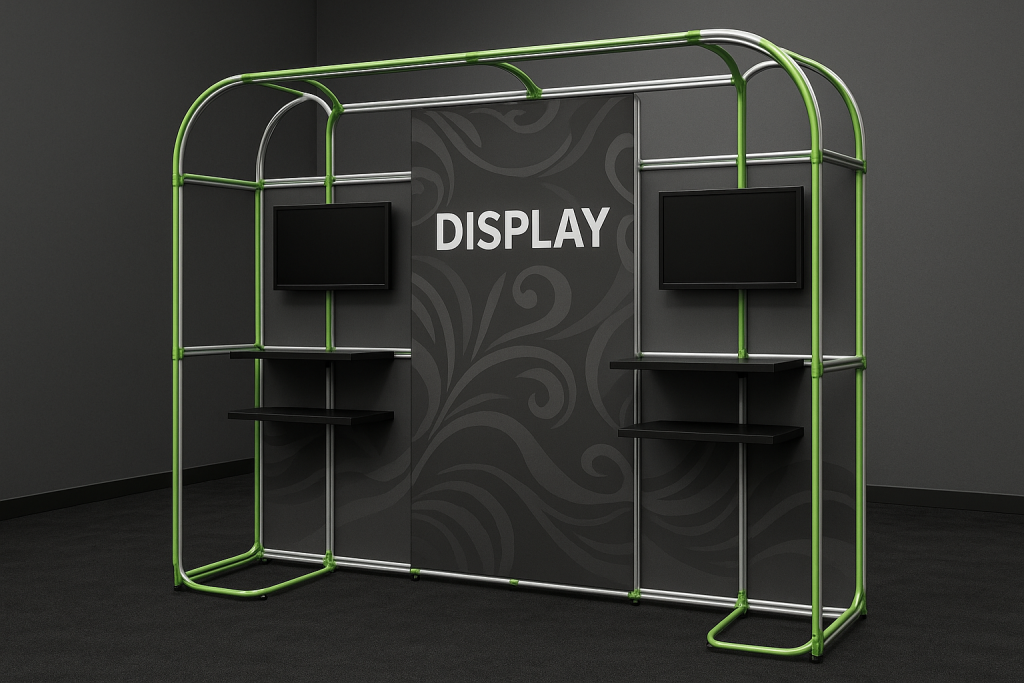
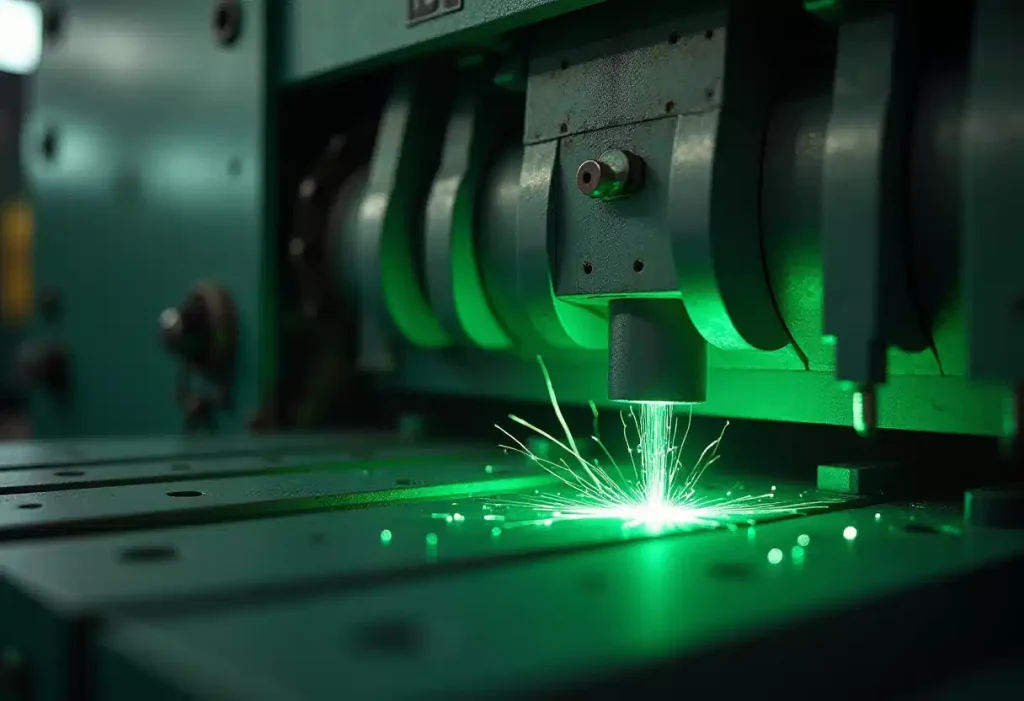
CNC-controlled bending systems allow manufacturers to produce repeatable shapes and accurate curves. These machines work with a variety of aluminum profiles, including hollow and solid sections.
The success of the bend depends on factors such as proper tooling, profile shape, and machine settings. Clean surfaces and matching radii improve the final look, especially in visible applications like store displays.
Modular, Mobile, and Made for Change
The Retail-Ready Advantage
Retail displays often change with seasons or campaigns. Aluminum frames are designed for easy updates using brackets or clips. This setup allows store layouts to shift without needing permanent construction.
Aluminum’s structure holds up through transport and assembly, but repeated use can lead to wear if fittings are not protected. Storing components correctly helps maintain performance and alignment over time.
A Sustainable Story Behind the Shine
Recyclable, Reusable, and Designed to Last
Aluminum can be recycled without loss of quality. Producing parts from recycled aluminum uses a small fraction of the energy needed to create new metal. This makes it a practical choice for reducing material impact over time.
Long service life also supports sustainability goals. Display systems made from aluminum can be used across multiple campaigns and locations. Planning for reuse at the design stage leads to less waste and more consistent branding.
More Than Just a Frame. It’s the Face of the Brand.
Curved aluminum does more than support signage. It defines how a brand presents itself in a physical space. Smooth contours and a clean finish contribute to a modern, organized display.
Retail teams choose aluminum displays for their strength, visual appeal, and ease of use. With proper design and care, these frames can serve across multiple uses, helping reduce cost and material waste over time.
Inductaflex machines shape the aluminum displays that help brands stand out, bend by bend.