Aluminum bending is changing to meet new environmental demands. As more industries focus on sustainability, manufacturers are upgrading their machines and processes to reduce their environmental impact without giving up performance.
This article explains how bending operations can become more environmentally responsible using energy-saving equipment, cutting material waste, and planning for longer machine use.
Energy-Efficient Machine Technology
Sustainability often starts with how machines are built and run.
Servo-Electric Systems
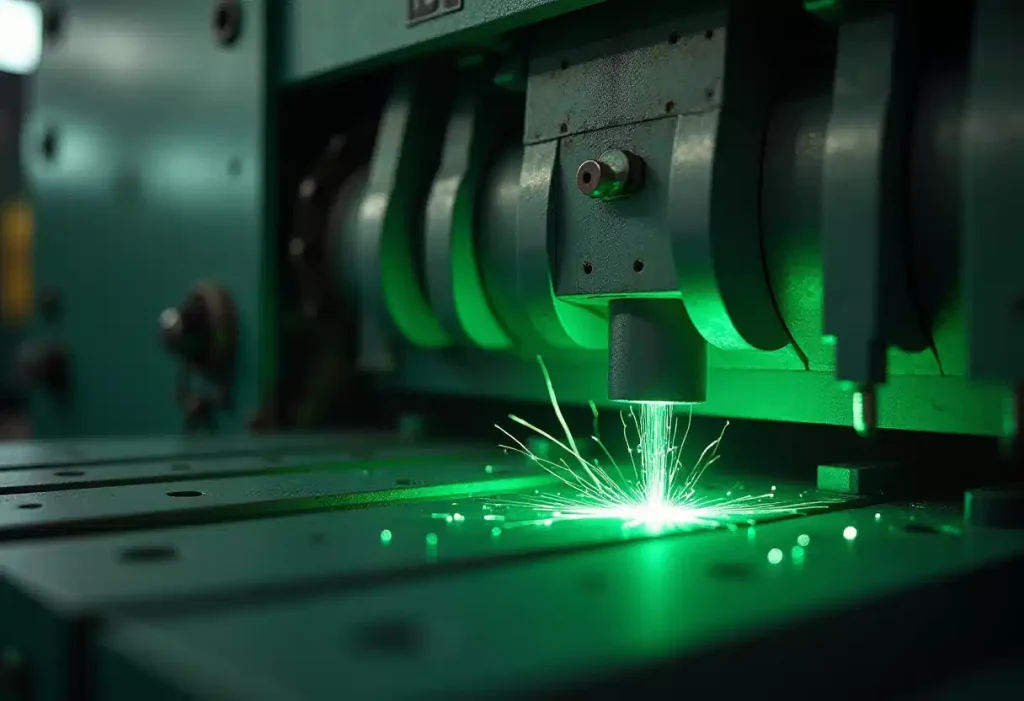
Many manufacturers now use servo motors instead of hydraulic systems. These motors use less electricity, produce less noise, and don’t require hydraulic oil. The result is a cleaner and more straightforward operation.
Smart Power Management
Some bending machines automatically shift to standby or low-power mode during idle periods. This feature helps lower energy use during breaks or changeovers.
High-Efficiency Cooling Systems
Certain systems now come with closed-loop cooling and safer refrigerants. These setups use less water and fewer chemicals. However, they are available only on some machines and depend on the type of equipment used.
Material Efficiency and Waste Reduction
Cutting material waste plays a key role in reducing environmental impact.
Profile Nesting Software
Nesting software allows operators to plan bends more carefully. It helps make better use of each bar or profile, which leaves fewer offcuts behind.
Smart Scrap Collection
In some factories with digital integration, leftover material is tracked through ERP or MES systems. This setup helps monitor waste and supports recycling, though it’s more common in large operations than in standalone bending machines.
Thin-Wall Profile Bending
Modern equipment can bend thin profiles without damaging them. This lets manufacturers use less material while still keeping strength where it’s needed.
Eco-Friendly Manufacturing Practices
Daily tasks in the workshop can also support sustainability goals.
Recycled Material Use
Modern bending machines can process aluminum profiles that include recycled content, which is now widely used in construction and automotive applications. The bending process itself doesn’t usually require changes, although the quality of recycled aluminum can vary depending on the alloy mix. These profiles are now common in construction and automotive work.

Low-Emission Lubricants and Cleaners
Shops are switching to water-based lubricants and cleaning fluids that contain fewer harmful chemicals. This helps create a safer work environment and reduces chemical exposure.
Dust and Fume Control
Ventilation systems are important when heat is used in bending, such as in induction or thermal-assisted setups. These systems remove harmful particles from the air. Cold bending setups usually don’t require this equipment.
Circular Economy and Lifecycle Design
Manufacturers are rethinking how machines are designed and used over time.
Modular Component Design
Some machines are built using replaceable modules. This setup allows operators to repair or upgrade individual parts instead of replacing the entire machine.
Refurbishment Programs
Machine builders often offer upgrade and repair services for older equipment. These programs improve performance and extend the working life of the machine.
Environmental Impact Reviews
Some manufacturers are beginning to look at a machine’s total environmental footprint from manufacturing through to disposal, especially when required for regulatory or sustainability reporting. This practice is still emerging and mostly seen in companies with environmental certifications or ESG goals. These reviews help guide better design choices and material use.

Compliance and Certification
Staying within local and international rules is part of modern manufacturing.
ISO 14001
Many companies use ISO 14001 to build internal systems that support environmental goals. This standard helps them organize and track their sustainability practices.
Regional Regulations
Factories often need to meet specific limits on energy use or emissions based on location. Upgrading machines and adding new features can help meet those rules.
Tracking and Reporting
Most companies use facility-wide software to collect environmental data. These systems monitor progress toward targets and gather information from bending machines as part of broader reporting needs.
Conclusion
Sustainable bending is now a basic part of how modern shops work. Environmental concerns are influencing the way machines are made, how materials are chosen, and how processes are set up.
Making small changes like switching to safer lubricants or planning bends more carefully can lower waste and energy use. Over time, these steps help reduce costs and improve the overall output of a workshop.
Businesses that make these changes today will be better prepared for what comes next. They’ll stay in line with new regulations, meet customer expectations, and continue to build strong products while working more responsibly and with fewer resources.
Contact Inductaflex for more support.