Aluminum bending is changing. What was once a purely mechanical process now includes smarter systems, energy-saving components, and digital tools. While some of these upgrades are still developing, the direction is clear: better accuracy, less waste, and more control.
This article breaks down the latest developments shaping the future of bending machines, and how they affect production in sectors like aerospace, construction, and transport.
Smart Automation and Adaptive Systems

Let’s begin with how new technology is improving automation.
Using Data to Reduce Guesswork
Some high-end machines now use past job data to adjust bend settings. These systems aren’t fully autonomous, but they help reduce trial runs and improve accuracy on the first attempt. This leads to fewer mistakes and quicker setup.
Simulating Jobs Before You Bend
Modern CNC systems allow operators to preview bend paths before running a job. This simulation step helps catch potential problems, such as tool collisions or profile distortion, before material is used.
Automatic Pressure Adjustments
Certain machines can adjust pressure and speed during the bending process, thanks to sensor feedback. This feature, common in stretch and press forming, is now appearing in more roller bending setups. These adjustments help maintain consistent shape and reduce common bending defects.
Digitalization and Industry 4.0 Integration
Digital systems are now making it easier to track, adjust, and maintain bending operations.
Remote Monitoring and Planning
A number of manufacturers now offer online dashboards that bring job tracking, machine status, and maintenance planning into one place. Managers can oversee several locations without needing to be on-site.
Early Signs of Maintenance Needs
Some systems can detect patterns that suggest equipment wear or damage. These warnings help users take action before machines fail, although the feature is still limited to higher-end models.
Virtual Setup with Digital Twins
Instead of testing new jobs on the production floor, operators can simulate setups using digital replicas of the machines. This allows them to try out adjustments and tooling changes without halting live production. Full-scale digital twin integration is more common in press brakes and robotic systems, but simplified simulation tools are becoming more available in high-end aluminum bending equipment.
Energy-Efficient and Sustainable Designs
Changes in machine design reflect growing interest in sustainable production methods.
Servo Motors Over Hydraulics
Electric servo motors now power many bending machines built for small- and mid-size applications. These motors use less energy, produce less noise, and eliminate the need for hydraulic fluid.
Reduced Water and Chemical Use

Cooling systems that use fewer resources are becoming a focus for some equipment designers. Though not yet widely adopted, this approach reduces waste and environmental impact. These eco-friendly features are still in early phases and currently seen in only a small number of systems focused on closed-loop cooling or reduced environmental load
Better Planning Means Less Scrap
Planning software now plays a key role in reducing leftover material. These programs improve profile layout and nesting, helping operators make more efficient use of each raw bar or sheet.
Customization and Modularity
Machine builders are designing equipment to suit flexible production needs.
Modular Machine Parts
Instead of buying new machines when jobs change, users can now replace or expand individual modules. This approach supports growth without requiring a full equipment overhaul.
Faster Tool Change Systems
Newer machines come with quick-change rollers and dies. These systems speed up transitions between jobs, which helps when producing a wide variety of profiles in smaller quantities.
Built for Specific Job Types
Machines can be configured to suit specific applications. One setup might focus on structural steel for architecture, while another is tuned for lightweight aluminum used in vehicles or aircraft.
Workforce Augmentation and Human-Machine Interfaces
Interfaces have come a long way and now make bending easier to learn and manage.
AR Support is Starting to Appear
Augmented reality is being explored in adjacent manufacturing sectors like welding and robotics, but its use in aluminum bending is still very limited. Future applications may include setup guidance or remote maintenance support.
Smart Touchscreens
Large touchscreen panels with on-screen instructions and alerts now come standard in many machines. These tools guide users through common steps and help prevent costly errors, even for those with limited experience.
Remote Help When It’s Needed
Technicians can now access machines remotely to assist with repairs or diagnostics. This reduces downtime, as support teams don’t always need to travel to the job site to solve problems.
Material and Design Innovations
Today’s machines can take on materials and designs that were once difficult to manage.
Bending Composite and Hybrid Profiles
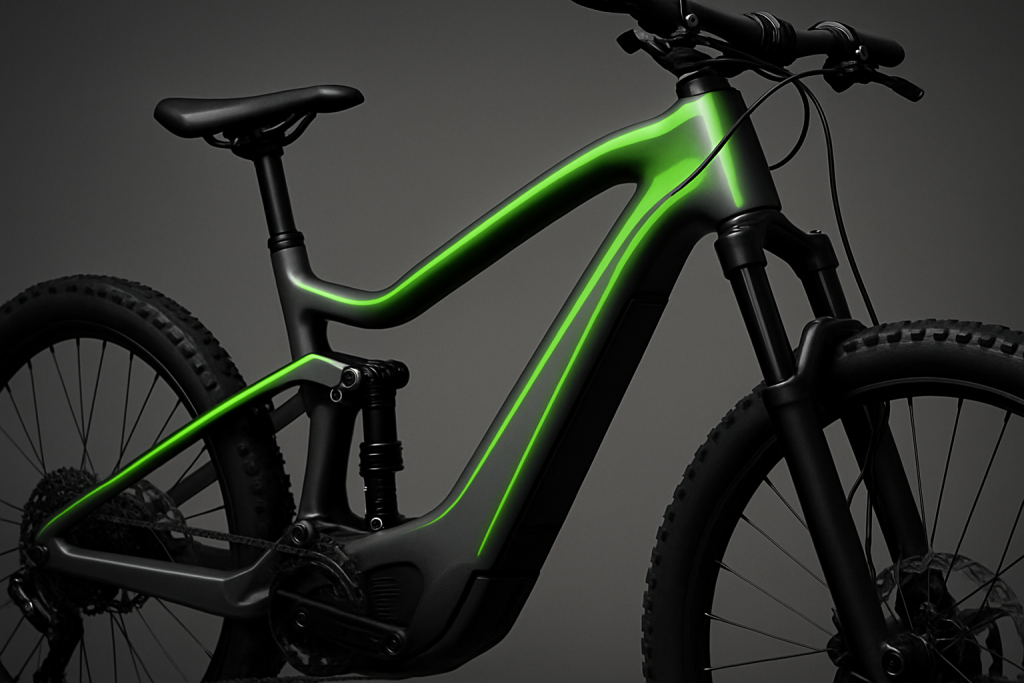
A few experimental systems have been developed to work with hybrid materials like aluminum and carbon fiber, but this remains highly specialized. Most commercial bending machines are not yet equipped to handle these materials without custom tooling and temperature control. These setups are still being refined but show growing interest in mixed-material designs.
Thinner Walls, Tighter Tolerances
Improvements in machine control and tooling allow for the bending of thin-walled profiles without collapse or distortion. This capability is valuable in sectors where reducing weight without sacrificing strength is a priority.
Settings for Different Alloys
Many CNC machines can store bend parameters for various aluminum grades, such as minimum radius or springback compensation. While this reduces setup time, operators still need to fine-tune settings depending on the specific profile and application. This feature saves time and improves results when switching between materials with different properties.
Conclusion
Aluminum bending has seen major changes. The latest machines deliver greater control, faster adjustments, and improved material handling. While some features are still limited to high-end systems, the core trends are spreading throughout the industry.
These improvements help manufacturers work with tighter tolerances, reduce material waste, and shorten production time. Equipment is becoming more responsive to varied job types, and support tools are making operations more consistent, even when run by less experienced staff.
Looking ahead, companies that adapt to these developments will be better prepared for shifting demands and more advanced design requirements. The focus is no longer just on power and precision. It’s about keeping operations practical, reliable, and ready for change.
Visit Inductaflex for more sources like this.