Yacht builders face constant pressure to balance weight, strength, and resistance to corrosion. The materials they choose must handle saltwater, waves, and the constant motion of life at sea. That’s why many turn to the 5xxx series of marine-grade aluminum, especially alloys like 5083, 5052, and 5086.
These aluminum grades stand up well to corrosion, form cleanly under pressure, and support strong welds even in demanding marine environments.
Why 5xxx Series Aluminum is Ideal for Yacht Hulls
The 5xxx series of aluminum uses magnesium as its main alloying element. This provides strong protection against saltwater and marine air.
Strength and Fatigue Resistance
Alloy 5083 holds the highest strength among non–heat‑treatable aluminum grades, with a tensile strength around 275–350 MPa. It handles repeated stress without early failure. Alloy 5052, while slightly softer, performs well in parts that take on regular wave impacts.
Bending and Shaping
Among these alloys, 5052 is easier to bend and often preferred for tight or complex curves. In contrast, 5083 and 5086 are more rigid and suited for structural sections that require higher strength after forming. Alloy 5086 also offers excellent corrosion resistance and maintains strength after welding, making it a common choice for marine hulls.
Welding Compatibility
These alloys respond well to MIG and TIG welding methods commonly used in boatyards. Some builders also apply friction-stir welding to 5086 when they need clean joints with minimal heat. Friction‑stir welding is indeed used on 5086 and 5083 alloys in shipbuilding to produce lower‑distortion, high‑strength joints. Welds stay strong and last in saltwater service.
Despite welding, 5083 retains its strength, but it is not recommended for service above 65 °C.

Bending Applications in Yacht Construction
Aluminum panels must match the exact shape of the hull. Builders shape each part to fit the final design with accuracy before moving on to assembly.
Hull Plates
Flat aluminum sheets are cold-formed into bottom and side hull shapes. These curves are taken directly from CAD design models created during planning.
Bulkheads and Stringers
Internal supports are bent to match the hull’s shape. This allows the frames to fit without force and gives the overall structure more strength.
Decks and Topsides
Upper areas of the yacht also use shaped aluminum. Each piece follows the hull’s geometry to make the full frame connect cleanly and with minimal adjustment.

Fabrication Workflow: Beneteau and Sunseeker Practices
Yacht construction begins with a 3D model that includes each bend and weld. The metal is then formed to follow those exact paths.
Bending Process
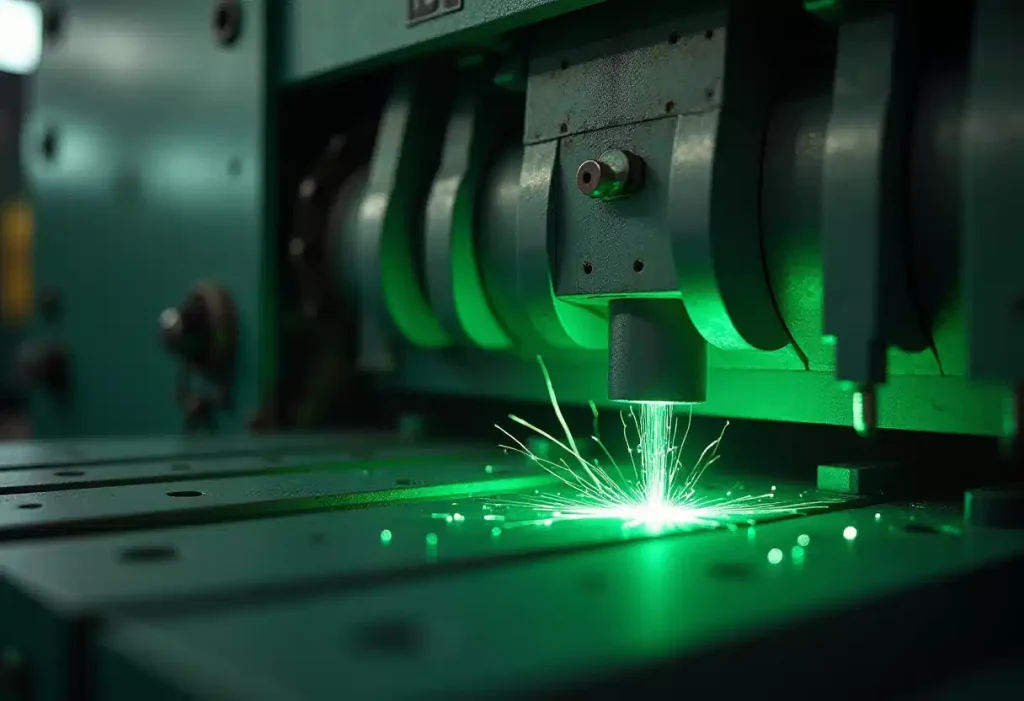
Large press brakes shape long seams on flat parts. Roll benders are used when the design includes long curves with consistent radius. Some projects use both machines for sections that combine angles and arcs.
Fit and Accuracy
In areas like bulkheads, builders hold tolerances within ±1 mm. Even small mismatches can affect structural alignment or lead to sealing issues.
Cold-Forming Method
Heat is not applied during the bending process. Keeping the metal cool prevents softening, distortion, and changes to mechanical properties. Shops rely on cold-forming machines and correct tooling setups to get accurate bends without compromising strength.
Marine Performance Outcomes
Marine-grade aluminum holds up well under the constant stresses of open water. Bending quality directly affects how the metal performs under these conditions:
| Feature | Result |
| Saltwater Resistance | Proper isolation from dissimilar metals keeps these alloys stable in saltwater. |
| Weight | Aluminum reduces overall mass, which helps with fuel use and payload limits. |
| Flex Under Load | Ductile sections formed during bending absorb wave impacts and avoid cracking. |
| Durability | Compared to fiberglass, these hulls require less long-term maintenance and last longer. |
Good bending accuracy means cleaner joints and fewer stress points: two factors that increase long-term strength and reduce service problems.
Conclusion: Proven Material for Modern Marine Craft
Marine-grade 5xxx aluminum alloys are widely used in yacht construction because they resist corrosion, provide structural strength, and shape well during forming. Builders rely on them to create hulls that stay strong under pressure and hold their form over time.
What makes this work is not only the material itself but also how it is bent and formed during production. Accurate shaping allows builders to follow design specifications closely, helping each panel and frame fit into place with minimal correction. The process supports both visual quality and technical reliability.
Every clean hull curve on an aluminum yacht began as a flat sheet, shaped by machines that applied the right pressure in the right place. When those bends are done properly, the final product performs well in rough seas and lasts across many seasons.
Visit Inductaflex for more information.