Audi has always led in automotive innovation. In its latest version, the Audi A8 (D5 platform) uses over 58% aluminum in its body. This choice cuts weight while keeping the car strong, quiet, and safe. A major part of this success comes from how Audi bends and shapes aluminum with high accuracy.
Why Aluminum? Audi’s Engineering Challenge
Modern luxury cars include large displays, thicker insulation, bigger batteries, and new safety features. These additions make the vehicle heavier.
Audi’s engineers needed to reduce weight without lowering safety or comfort. They chose a mix of materials with clear roles. Aluminum makes up most of the body. Ultra-high-strength steel adds strength where crash forces are highest. Carbon fiber reinforces the rear floor section without adding bulk. This combination allowed Audi to hit their weight targets while meeting structural requirements.
In addition to aluminum, steel, and carbon fiber, Audi also uses a magnesium strut brace in the front suspension towers to save weight and boost rigidity
Key Role of Aluminum Bending in the A8 Frame

Precision in aluminum bending made the multi-material frame possible. The A8’s body uses over 35 specially shaped aluminum profiles, each formed to fit a specific function.
Two main bending methods support this:
- CNC rotary draw bending forms tight curves with exact control. Audi uses this in parts like roof bows and pillars where shape accuracy is critical.
- Stretch bending creates long, even curves, which are needed for areas like roof rails and door outlines.
Audi kept shape tolerances within ±0.5 mm. This tight range allowed different materials to align cleanly and made robotic assembly more reliable.
Structural and Performance Outcomes
The aluminum frame helped Audi improve both performance and efficiency. Here’s a closer look:
|
Feature |
Result |
| ~24% body weight reduction | Better fuel use, quicker response, and fewer emissions |
| Higher torsional strength | Smoother ride, quieter cabin, and better handling |
| Lower center of gravity | Improved stability and control |
Although Audi aimed to reduce weight, the body-in-white of the new A8 actually gained about 51 kg over the outgoing model due to stricter crash standards, hybrid-ready structure, and added features (Autocar, 2017).
Joining Methods for Mixed-Material Frames
The A8 includes aluminum, steel, and carbon fiber in its frame. The carbon-fiber rear panel adds roughly 33% to the A8’s overall torsional stiffness, making it a key structural component despite its lightweight (Lye, 2017). Audi uses several joining methods that match the properties of each material:
- Friction Stir Welding (FSW) bonds aluminum parts with low heat, which reduces distortion.
- Self-piercing rivets and adhesives fasten aluminum to steel while avoiding corrosion.
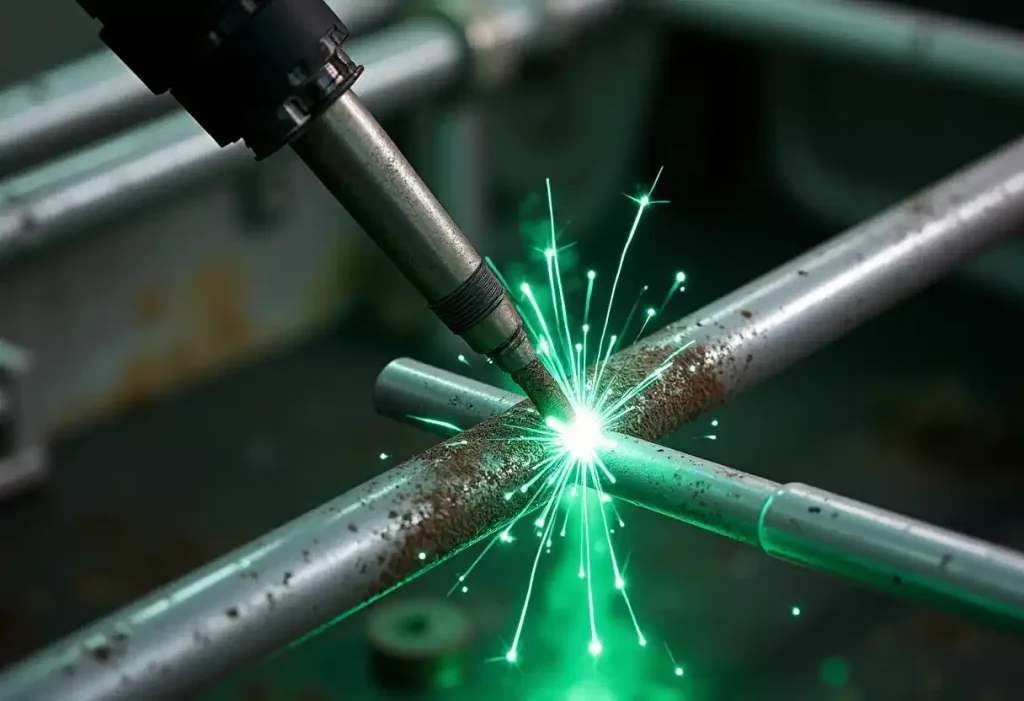
- Laser welding secures key load areas with minimal added weight.
Each joining method is selected based on what the part needs: strength, flexibility, or corrosion resistance.
Production Considerations
Audi supports its design with a well-organized manufacturing setup:
- Automated CNC bending shapes complex aluminum parts consistently and quickly.
- Laser scanning systems check part shapes as they come off the line to spot mistakes early.
- Digital material tracking links every part back to its original batch, which helps maintain quality and solve issues faster if they arise.
These steps give Audi more control during production and help limit material waste.
Conclusion: A Blueprint for Future Manufacturing
The Audi A8 proves that aluminum bending supports both light weight and high strength in vehicle frames. Audi uses each material where it makes the most sense and shapes every part to meet exact needs. The result is a well-built body that performs under pressure and meets modern design goals.
This kind of thinking will guide more car designs in the years ahead. Cars need to weigh less to meet fuel and emissions rules, but they still have to stay safe and comfortable. Shaping aluminum with precision offers a reliable way to meet those goals.
Today’s bending technology gives engineers the tools to create parts that once seemed too complex. With that, manufacturers can save time, cut down on scrap, and keep quality high no matter the shape or size of the job.
Contact Inductaflex for assistance.