Aluminum bending has become an important part of making modern military armor. In the past, defense vehicles and gear relied heavily on steel and other heavy materials. These provided strong protection, but they added a lot of weight. With better materials and new forming techniques, aluminum is now used to build lighter and more mobile armor systems.
This article explains how aluminum bending is used in military vehicles and protective gear, and what benefits and challenges come with it.
Case Study 1: Aluminum Armor in Military Vehicles
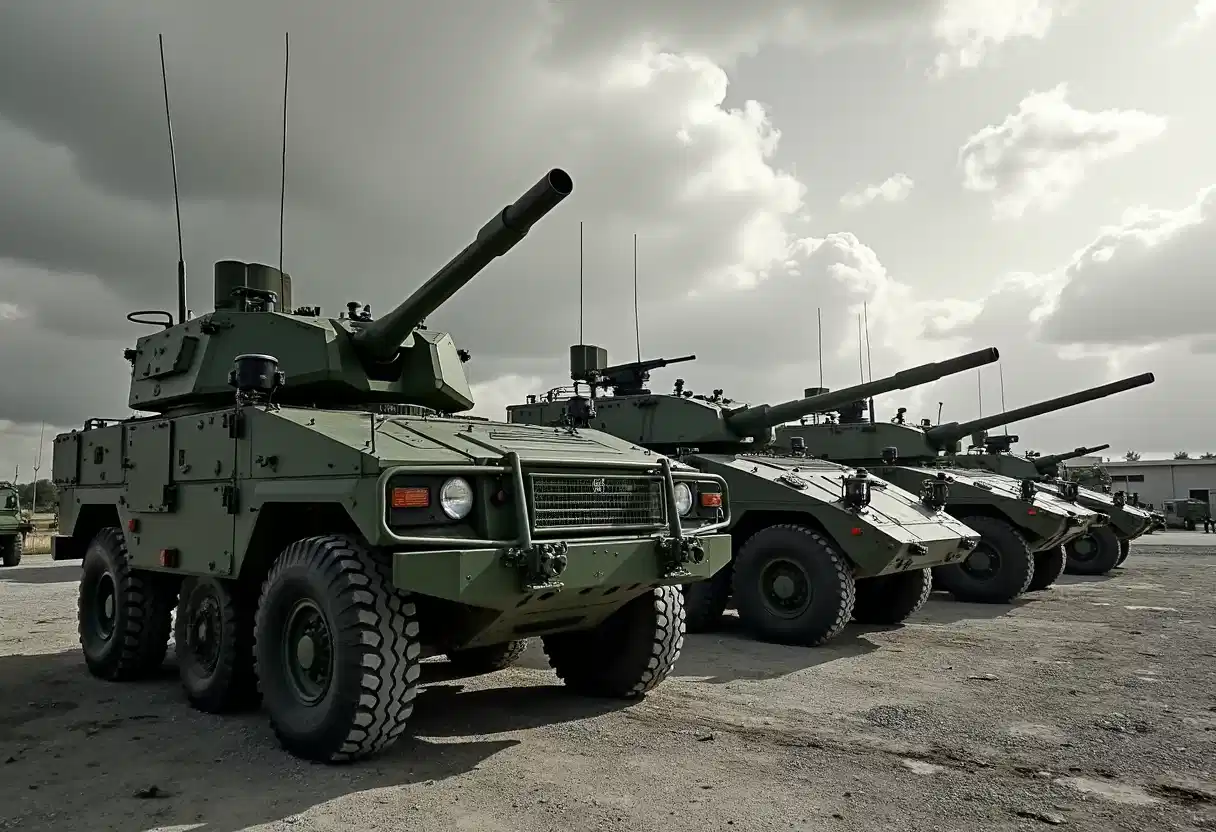
Military vehicles must be strong enough to protect troops and light enough to move quickly. While the original HMMWV used limited aluminum, many upgraded versions feature aluminum armor components as part of retrofit or modular protection kits. These platforms include a mix of materials, and aluminum is a key part of their modular armor systems.
High-Strength Alloys for Combat Use
Manufacturers bend aluminum into panels, brackets, and support structures with tight tolerances. These components are made from high-strength alloys such as 5083, 7039, and 7085. These alloys can handle ballistic impact and keep the vehicle lighter than if steel were used.
Precision Forming with Advanced Machinery
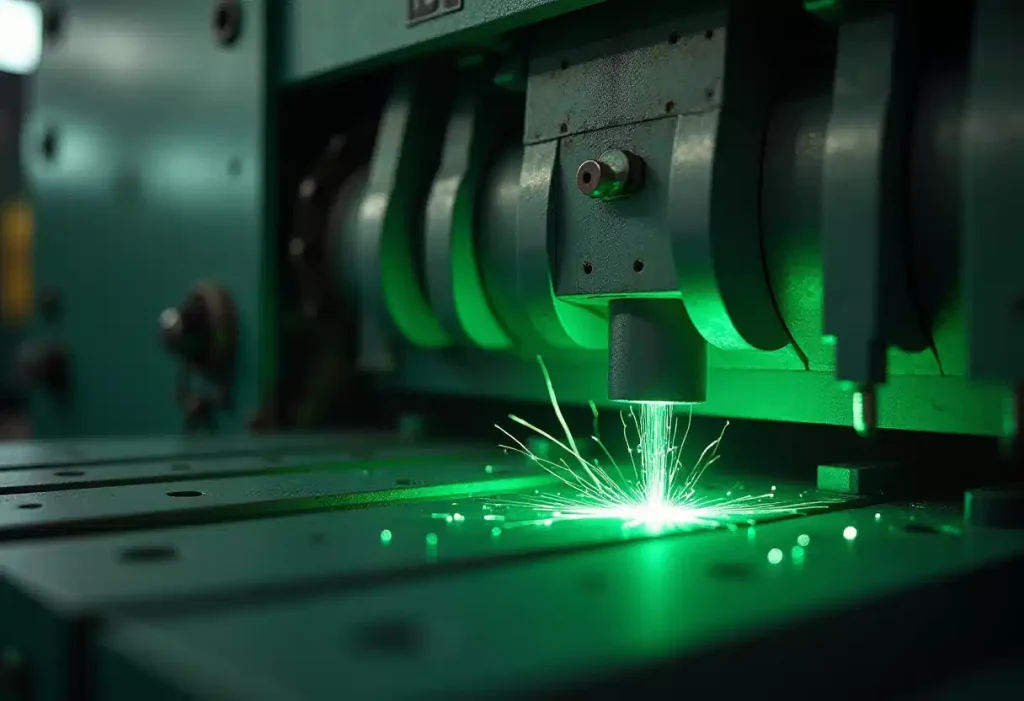
Press brakes and CNC machines shape the aluminum parts to fit exact designs. These machines help form complex shapes without weakening the material.
Performance Advantages in the Field
Using aluminum lowers vehicle weight, so they can move faster and use less fuel. In combat, speed and mobility are critical. Aluminum also holds up well in tough environments, including salty air and extreme heat.
Engineering for Ballistic Protection
Meeting ballistic protection standards is a challenge. In order to stop bullets or blasts, the aluminum must have the right thickness and alloy makeup. The bending process must also be precise to keep the material strong. Skilled operators and proper tools are needed to get these results.
Case Study 2: Aluminum Armor for Personal Protection Gear
Ceramics and fiber composites are the main materials in today’s body armor. However, aluminum did play a role in earlier or special gear designs. One example is the Soviet 6B1 vest, which used a mix of aluminum oxide and steel for lightweight protection. Although aluminum was once part of early designs like the Soviet 6B1 vest, its use in frontline body armor has largely been replaced by more effective ceramics and fiber composites.
Forming Lightweight Protective Plates
In those setups, aluminum was bent into plates shaped to fit the body. The goal was to cut down weight while keeping the armor wearable for long periods.
Advantages and Limitations of Aluminum Armor
Lighter gear helps reduce fatigue for soldiers. But aluminum does not stop high-speed rounds as well as ceramics or composites. Its softness limits how much force it can absorb.
Modern Applications and Decline in Use
Because of these limits, aluminum is not often used in modern vests. Today, aluminum is rarely used in standard-issue military protective gear but may still appear in specialized shields or lightweight non-ballistic equipment.
Conclusion
Defense engineers use aluminum bending to make armor parts that are both light and strong. This helps military vehicles move better, carry more, and stay easier to maintain.
Aluminum remains useful for vehicle armor even though its use in body gear has declined. Its corrosion resistance and ability to take on complex shapes make it a smart material for forming custom protective components.
In the years ahead, aluminum will likely continue playing a role in military systems. As defense needs shift toward faster, more flexible tools, aluminum bending offers a reliable method for building lighter armor without giving up strength.
Even though it doesn’t replace all armor materials, aluminum proves valuable when it’s bent with skill and precision. For teams building military hardware, it offers a proven way to combine protection with performance.
Visit Inductaflex for more sources.