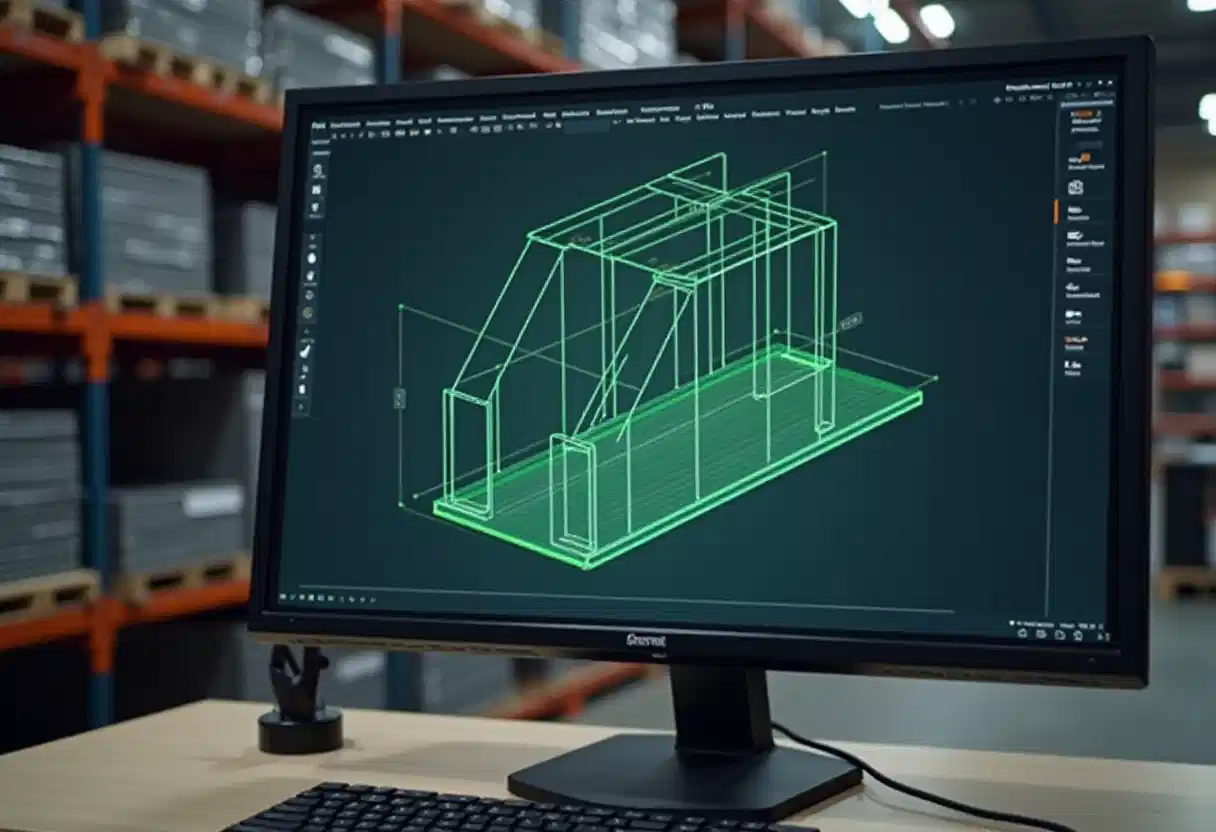
Bending operations often deal with one recurring issue: material waste. This problem becomes even harder to manage when you’re working with complex shapes or tight tolerances. Even one miscalculated bend can turn a good profile into scrap.
That’s where simulation comes in. Today, more manufacturers use digital simulation to improve bending accuracy, cut scrap, and save time. These tools let engineers preview the bending process before committing any material. This article explains how simulation works, why it matters, and how it can be applied to everyday bending work.
Key Benefits of Simulation in Bending Workflows
Let’s start with the main benefits of using simulation before bending a physical part.
Scrap Prevention
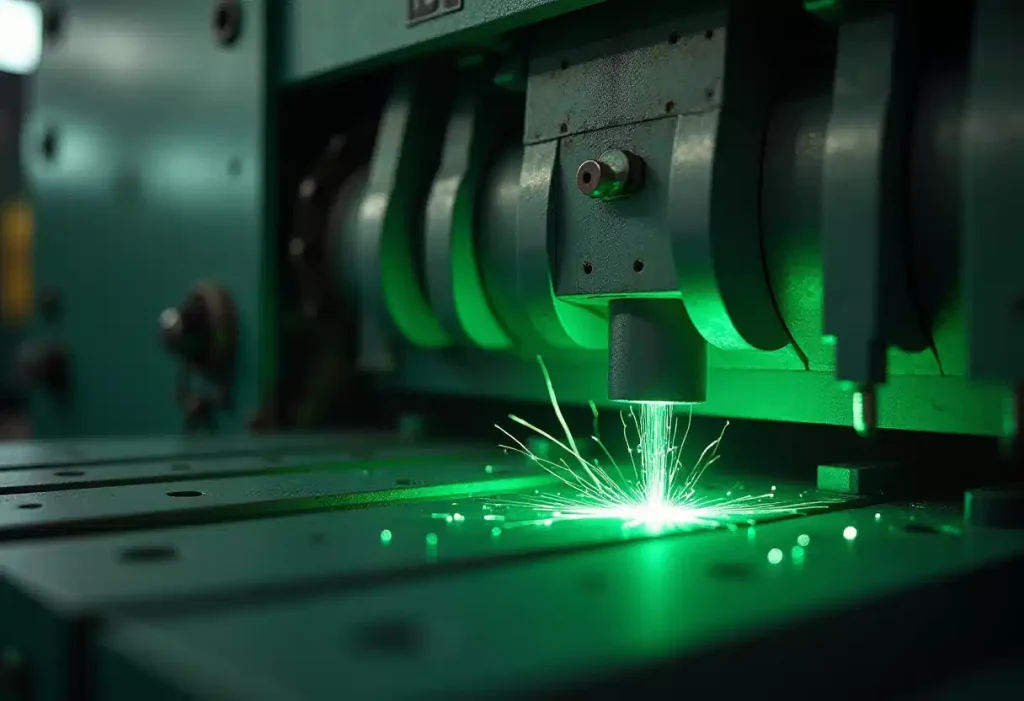
Virtual testing allows engineers to run the bending process on-screen first. This helps catch errors like tool collisions, part wrinkling, or cracking early before any material is wasted. The more expensive or specialized the material, the more this matters.
Predicting Springback
Materials like aluminum, especially 6000- and 7000-series alloys, tend to “spring back” after bending. Simulation software can estimate how much rebound will happen and recommend changes to the bend angle to account for it. This leads to more accurate results without trial and error.
Saving Time
Trial-and-error testing often slows down production. Using simulation to confirm process settings in advance lets you move into production with fewer test bends and adjustments. The result is shorter setup times and faster production starts.
Simulation Integration into CAD/CAM Systems
Simulation tools don’t work on their own. They connect with your design and machining systems.
Design Checks
Simulation helps confirm whether a design meets machine and material limits before creating a CNC program. Spotting problems early keeps unworkable shapes off the shop floor.
Toolpath Planning
Modern CAM software uses simulation results to map out machine movements in advance. That means the feed, clamp, and rotation settings are planned more precisely, which improves consistency and reduces rework. Most toolpath adjustments happen before production begins. Real-time bending corrections, based on sensor feedback, are typically found only in high-end machines used in precision-critical industries.
Digital Twin Use
Some systems go a step further with digital twins, software models that replicate the actual machine setup. These models let you test part layout, tooling fit, and heating behavior in bending processes. While full digital twin systems are still more common in large factories, many small and mid-sized shops are starting to adopt simplified versions that focus on setup testing and virtual layout planning.
Use Cases and Examples
Simulation isn’t only for theory. It solves everyday production problems.
Multi-Radius Bends
Profiles with multiple bend radii can be hard to manage, especially in aerospace and structural parts. Simulation helps check for tooling interference and makes sure transitions between curves stay within tolerance.
Thin-Wall Extrusions
Thin or hollow profiles often crumple or twist during bending. Simulation highlights these risks so you can adjust the process or tooling before wasting any material.
Induction Bending
Heated bending introduces extra challenges like ovality and springback. Simulations help define the right heat zones and monitor how the material is expected to respond. This leads to more consistent, predictable bends.
Best Practices for Implementing Simulation
Simulation works best when the right tools and training are in place.
Use the Right Software

Choose CAM platforms that support simulation features. If your machines can work with digital twin systems, take advantage of them to better prepare your setups.
Train Your Team
Your simulation tools are only as useful as the people running them. Teams should be able to understand and apply simulation results, not just run the software.
Use It Regularly
Think of simulation as a tool for ongoing process improvement. Instead of running it once per project, apply it throughout development, setup, and production to keep reducing errors and improving bend quality.
Conclusion
Simulation has become a reliable part of today’s bending process. It takes much of the guesswork out of bending by catching problems before they reach the shop floor. That means fewer material losses, fewer delays, and better results from the beginning.
Simulation tools are helpful whether you’re working with hard-to-bend alloys or shapes that require tight precision. These systems give you more control over the process and help you achieve consistent outcomes on every job. As technology continues to improve, bending simulation is becoming a valuable option for shops of all sizes.
Contact Inductaflex for any clarifications.