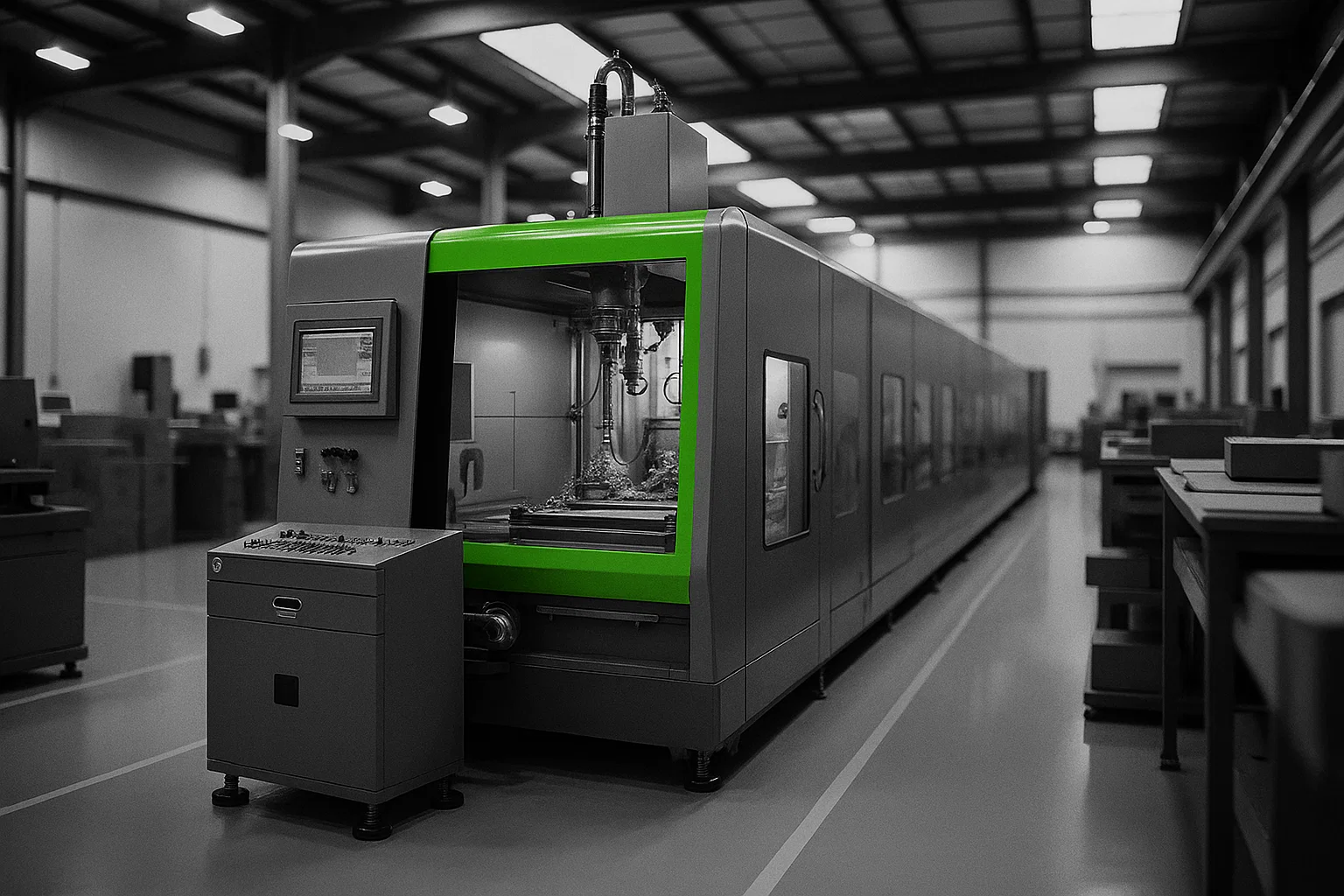
What if bending lines could run 24/7 without a single person on-site? While this might sound futuristic, fully autonomous bending operations are becoming more realistic. While full autonomy is still rare, semi-autonomous systems with remote supervision and limited intervention are already in use. As labor costs rise and automation tools improve, manufacturers are exploring what it takes to implement these “lights-out” facilities.
What Is a Human-Free Bending Shift?
A human-free bending shift means the machine completes a production cycle without live human input. These systems typically still involve remote monitoring or occasional interventions but eliminate the need for operators standing by.
These types of operations work best in high-volume, low-variation aluminum profile production. Because the tasks are repetitive and profiles stay consistent, machines can handle them with fewer adjustments. The setup often includes CNC benders, industrial robots, automated storage systems, and central control software to coordinate everything.
Technologies Enabling Full Autonomy
Achieving full autonomy isn’t about using one impressive machine. It comes from combining several systems that work in sync.
CNC Benders with Self-Calibration
Some modern CNC benders can compensate for springback based on material data and machine feedback. However, tool wear often still requires sensor integration or manual inspection.
Robotic Loading and Unloading
Robotic arms load raw material and remove finished parts. This keeps material moving without stopping for human handling.
Vision Systems for Quality Checks
Cameras and sensors inspect bend angles and sort profiles based on tolerances, helping avoid faulty products.

IoT Sensors for Monitoring
These devices gather real-time data on temperature, force, and alignment. This helps maintain steady operation.
Predictive Maintenance
Instead of reacting to breakdowns, many systems rely on usage data and sensor thresholds to flag early warning signs. Some larger facilities are exploring machine learning to detect patterns before failures happen.
MES/ERP Integration
When machines connect to scheduling and planning tools, production stays aligned with orders, inventory, and delivery needs.
It’s not just about combining the right tools. All systems must communicate—from job scheduling to quality assurance to machine safety.
Benefits of Lights-Out Bending Facilities
There are clear reasons why companies are investing in lights-out setups:
- Machines can run longer hours, including nights and weekends
- Lower labor costs and reduced human error
- More accurate and repeatable bending
- Some electricity savings if operating during off-peak hours
- Easier to track every step using digital logs
Keep in mind: Energy savings vary. Running overnight can cut costs in some places, but not always. Savings depend on local electricity pricing models, machine idling efficiency, and how well energy consumption is managed during non-peak hours.
Real-World Examples and Case Studies
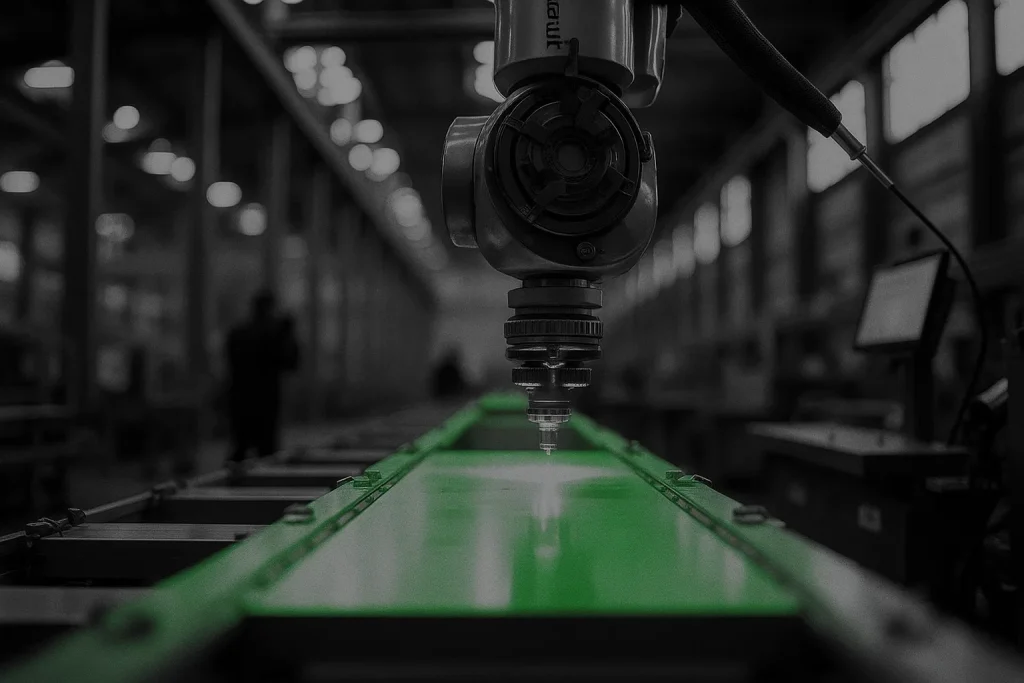
Some companies are already using parts of these systems in production.
Automotive Tier 1 Suppliers
Some facilities use dual-shift bending cells with minimal human input between shifts.
Architectural Façade Manufacturers
Robot-assisted CNCs are typically used in high-volume façade projects where profiles are uniform. Custom architectural panels may still need manual setup or operator involvement.
EV Battery Tray Producers
In assembly lines, pick-and-place arms work alongside CNC benders to process repetitive aluminum components.
These setups aren’t completely human-free. People still step in during startup, inspections, or if something unexpected happens.
Current Barriers to Full Autonomy
So why isn’t every plant fully autonomous yet?
- Robotic systems and software require high initial investment
- Irregular or low-volume profiles still need human flexibility
- Machines must comply with relevant safety standards for unattended use, such as ISO 10218 for robotics and ISO 13849 for machine safety systems.
- People still perform quality checks and handle unexpected machine issues
Fully human-free operations are rare today, but systems where staff monitor rather than operate are increasingly common.
Roadmap to Implementation
Progress happens in stages—not all at once. Here’s how many facilities evolve:
| Level | Capability | Human Role |
| 1 | CNC automation | Full-time operator |
| 2 | Robotic material handling | Operator-assisted |
| 3 | MES integration + condition sensing | Supervisor or technician |
| 4 | Adaptive logic + remote control | Remote/on-call support |
Even the most advanced systems still rely on people, especially when products vary or problems occur.
Future-Proofing Bending Operations
Autonomous bending isn’t about removing people. It’s about giving them time to focus on higher-value work. When machines handle the repetition, staff can focus on monitoring, planning, and improving the process.
Reaching that point takes planning. You need connected tools, safe systems, and a clear plan that starts with what’s repeatable and builds from there.
As these systems mature, it’s likely that partial autonomy will become common, especially in places where speed, repeatability, and consistency matter.
For manufacturers exploring this future, Inductaflex machines come equipped with smart controls and integration-ready features. They’re built not only for today’s needs, but also for what comes next.