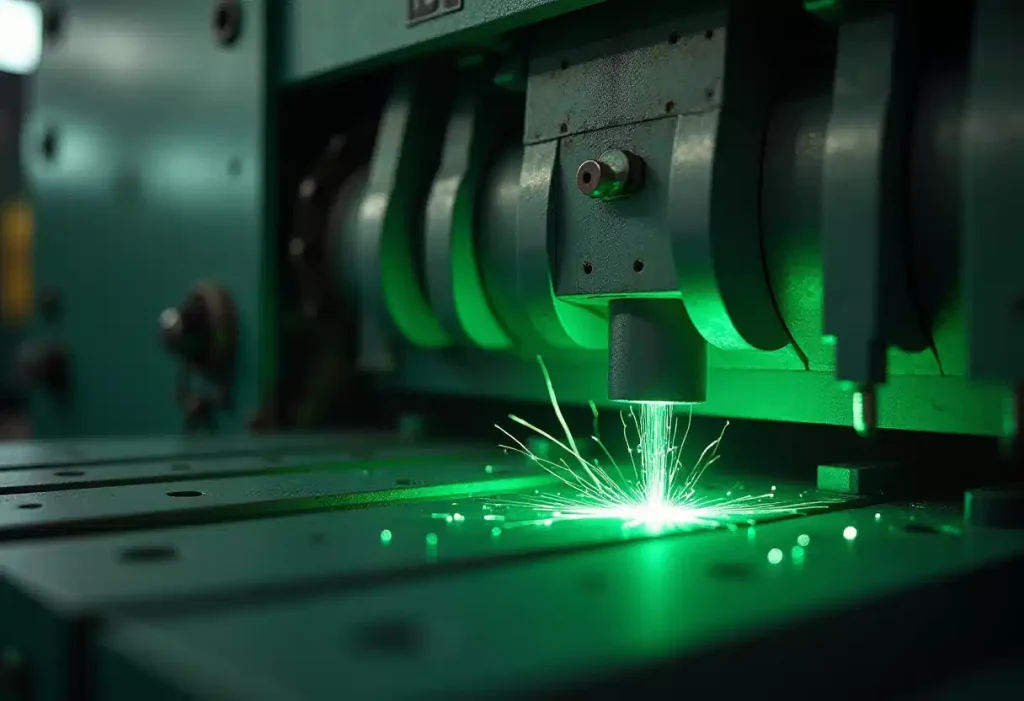
Bending machines have come a long way, but two main technologies continue to dominate the industry: hydraulic and servo-driven systems. As manufacturers push for faster, cleaner, and more precise operations, many face a key question: is it time to move to servo, or should they stay with hydraulic? This article compares both technologies side by side. It explains how they work, where they perform best, and what to consider when choosing between them.
Understanding the Two Systems
Before deciding which bending system to use, it’s helpful to know how each one operates.
Hydraulic Bending Machines
Hydraulic machines use pressurized fluid to generate force. They have been around for decades and are trusted for their strength and durability. These systems are commonly used when the job requires a large amount of power, especially for thicker or high-strength profiles.
Servo-Driven Bending Machines
Servo machines rely on electric motors instead of fluid pressure. These motors allow the machine to move with greater precision. Unlike hydraulics, they draw power only during machine movement, which helps reduce energy use and improve motion control. Some modern systems combine servo motors with hydraulic components, offering improved control while retaining high force output.

Performance Comparison
Let’s take a closer look at how each system works under different conditions.
Force Output
Hydraulic machines are ideal when you need maximum force. They’re often used for structural materials, thick beams, or large aluminum profiles. Servo machines don’t reach the same force levels, but they work well for standard aluminum profiles and light to mid-duty tasks. They provide fast movement and reliable accuracy.
Speed and Accuracy
Servo systems perform well in this area. Their electric motors respond quickly and adjust in real time. This allows for smoother positioning and consistent results. Hydraulics can still handle accurate bending, but they often rely on flow control and pressure adjustments that are less precise. Newer hydraulic machines with proportional valves or electro-hydraulic control can improve positioning, but they still trail servo systems in response time and consistency.
Energy Consumption
Hydraulic machines run a pump continuously, even when idle. This results in high energy use and added heat. In contrast, servo systems use power only when in motion. This cuts power costs and keeps the work area cooler.
Maintenance and Reliability
Regular maintenance and machine reliability are also important to consider.
Hydraulics
These systems require ongoing care. Operators must check fluid levels, replace filters, and fix leaks when they occur. Over time, seals wear out and contaminated oil can cause damage. Without regular upkeep, hydraulic machines often face more downtime.
Servo Systems
Servo machines have fewer moving parts and don’t use fluid systems. This means they often need less maintenance overall. Electrical parts like motors and encoders may still need service occasionally, but these checks are usually easier to perform than full hydraulic servicing. Although maintenance is generally lighter, servo systems may still require encoder recalibration or electrical checks, especially in harsh or high-cycle environments.

Cost Considerations
The price tag can affect the final decision.
Upfront Investment
Servo machines typically cost more to buy. Their advanced drives and control electronics add to the price.
Operating Cost
In busy production environments, servo machines often cost less to run. They use less energy and need less maintenance. This helps companies recover the higher purchase cost over time through savings in power and repairs.
Applications and Suitability
The type of work being done often guides which system is more suitable.
Heavy-Duty Bending Tasks
Hydraulic systems are still the better choice for large, thick, or structural profiles. They offer strong force and can handle demanding industrial work with fewer limitations.
Precision and Repetitive Jobs
Servo machines are a good fit for jobs where each bend needs to match exactly. These systems are used often in aerospace, automotive, and custom architectural work. They move quickly and hold consistent shape over long runs.
Sustainability and Future Outlook
Reducing waste and using cleaner machines is now a practical goal for many businesses.
Environmental Considerations
Servo machines use less electricity and don’t require oil or fluid systems. This makes them a cleaner option and avoids the mess and hazards of hydraulic fluid disposal.
Where the Industry is Headed
More manufacturers are shifting to servo systems as they bring machines and software closer together. These systems support automation, digital tracking, and remote adjustments. Hydraulics are still used for heavy work, but servo systems are becoming more common in modern workshops that need speed and precision.
Conclusion
Hydraulic and servo-driven bending machines each have clear strengths. For heavy forming jobs that involve large profiles and high tonnage, hydraulic systems remain dependable and capable.
But servo machines are better suited for precision-focused work. They reduce power use, need less maintenance, and deliver consistent results. Companies working with complex shapes, small tolerances, or high-volume projects often find servo technology the smarter long-term choice.
Choosing the right system comes down to what you build and how often you run. If you need pure power and durability, hydraulic machines get the job done. If you’re aiming for faster cycles, better repeatability, and cleaner operation, servo machines offer more control and lower operating costs.
Follow Inductaflex for more information.